%2Ffit-in%2F250x250%2Fguide_websites%2F3047%2Fimages%2F1753381719109stevelogo.jpg&w=1920&q=100)
Steven Hillarys South Padre Island Redfish Adventures
Redfish and Spotted Weakfish in South Padre Island
%2F%2Fusers%2F3e750e46-d58e-456c-9169-d46dfdead4c0%2Fimages%2Fstellar-fishing-trip-south-padre-11856.png&w=1920&q=75)
The Sciaenops Ocellatus belongs to the order Perciformes and family Sciaenidae. It typically measures between 30 and 61 inches in length, with a weight range from 10 to 45 lbs. Habitat: onshore, flats, backcountry, nearshore. - Redfish are also known as Red Drum and are prized gamefish. - They can be identified by distinctive eyespots near the tail. - Popular target for both recreational and commercial fishing.
Guided Fishing Trip by Captain Steven Hillary in August

Meet your Captain Steven Hillary
- Specializing in Family & Children Fishing Trips


Summary
Captain Steven Hillary of Today We Fish Charter and Adventures on Friday May delivered an exceptional 5-hour morning bay fishing trip targeting redfish and spotted weakfish in South Padre Island's productive shallow waters. Using light tackle, jigging, and drift fishing techniques, anglers landed quality gamefish in calm, clear conditions perfect for sight fishing. May represents prime time for bay fishing in these Texas coastal waters, with both redfish and spotted weakfish actively feeding in the shallows. The charter provides all necessary gear and local expertise for both experienced anglers and first-timers looking to experience South Padre Island's renowned inshore fishing opportunities.
Guided Fishing Trip with Captain Steven Hillary – Rates & Booking
Captain Steven Hillary of Today We Fish Charter and Adventures on Friday May offers comprehensive 5-hour morning bay fishing trips targeting the area's most sought-after gamefish. These guided fishing trips include all tackle, bait, and local expertise needed for a successful day on the water. Steven's intimate knowledge of South Padre Island's bay systems and seasonal fish patterns ensures anglers experience the best possible fishing conditions. Licensed and experienced, Captain Steven provides personalized instruction for all skill levels while maintaining a focus on safety and conservation practices.
Highlights of Bay Fishing Adventure
The morning trip showcased South Padre Island's exceptional bay fishing with steady action on redfish and spotted weakfish throughout the 5-hour excursion. Anglers employed multiple techniques including light tackle jigging, drift fishing, and sight casting in the area's shallow flats and nearshore structures. The clear water conditions provided excellent visibility for spotting cruising gamefish and active baitfish schools. May's favorable weather patterns and moderate winds created ideal fishing conditions, allowing for precise boat positioning and comfortable angling.
Beyond the fishing success, the trip emphasized the camaraderie and shared excitement that makes bay fishing so rewarding. Each hookup brought cheers from the group, creating lasting memories while building confidence in newer anglers. The variety of techniques used throughout the morning kept everyone engaged and provided valuable learning opportunities about reading water conditions and fish behavior.
Local Species Insights: Redfish
Redfish thrive in South Padre Island's shallow bay systems, particularly during May when warming water temperatures trigger increased feeding activity. These copper-colored gamefish patrol grass flats, oyster bars, and channel edges where they ambush prey including shrimp, crabs, and small baitfish. Their distinctive black spots near the tail make them easily identifiable, while their powerful runs and dogged fights provide exciting battles on light tackle. Local anglers find success using live bait, soft plastics, and spoons worked slowly through likely holding areas during early morning and late afternoon periods.
Plan Your Fishing Charter Day
Today We Fish Charter and Adventures provides a fully equipped bay boat designed for shallow water fishing with comfortable seating for small groups. All fishing gear, tackle, bait, and safety equipment comes included, allowing guests to focus entirely on the fishing experience. Trips typically begin early morning to take advantage of prime feeding times and favorable weather conditions. Captain Steven handles all navigation, fish cleaning, and provides ongoing instruction throughout the day, ensuring both novice and experienced anglers maximize their time on the water.
Fishing in Texas: Spotted Weakfish and Redfish
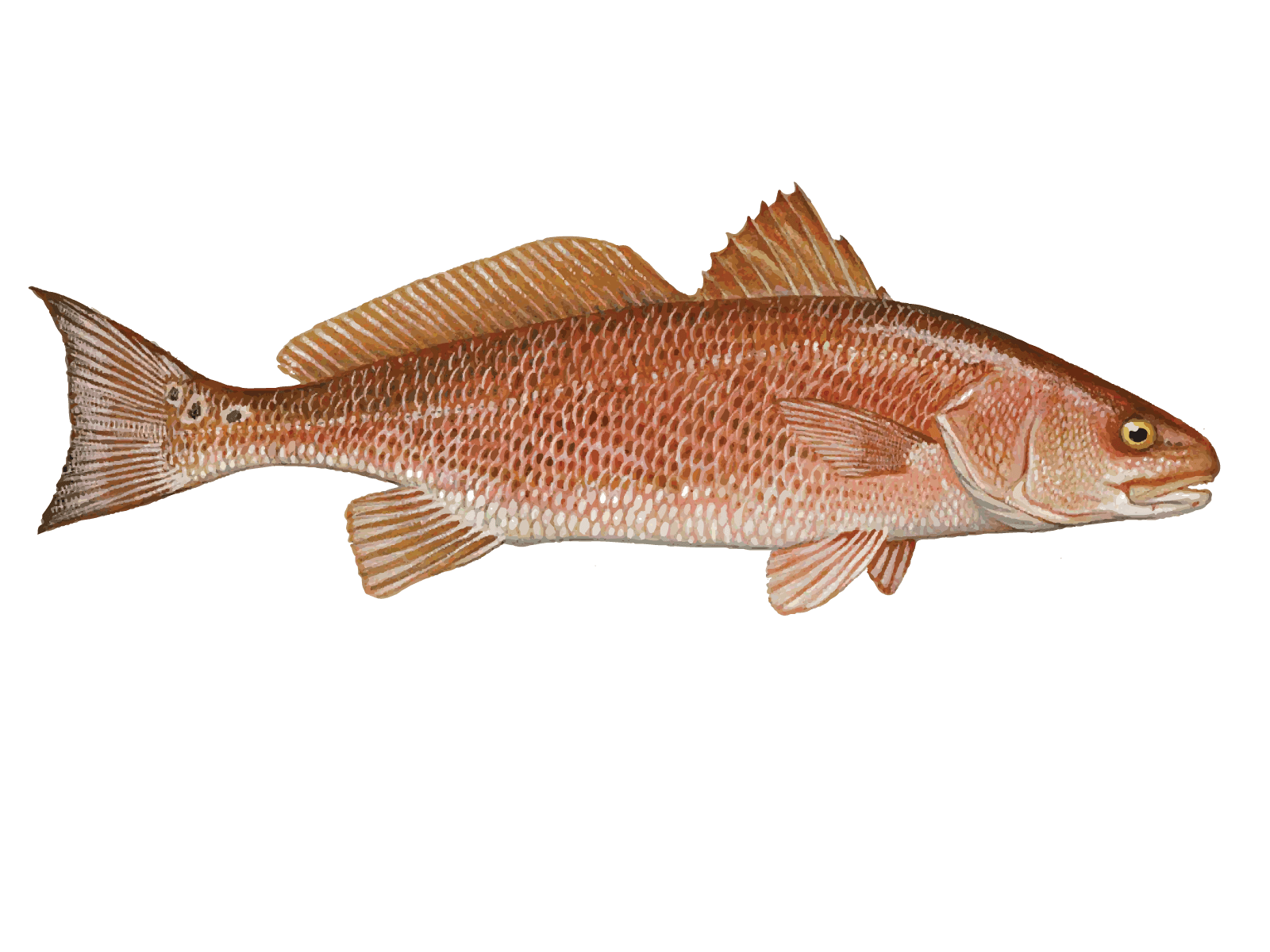
Redfish (Sciaenops ocellatus), also known as Red Drum, belong to the order Perciformes and family Sciaenidae. These distinctive gamefish are easily recognized by their copper-red coloration that fades to white on the belly and one or more black eyespots near the tail. In South Padre Island waters this May, redfish have been actively feeding in the shallow bays and flats.
Redfish Overview
Redfish are among the most popular inshore gamefish along the Gulf Coast, prized for their fighting ability and excellent table fare. They inhabit coastal waters from the Atlantic seaboard through the Gulf of Mexico, with South Padre Island representing prime redfish habitat due to its extensive shallow bay systems and abundant forage.
Redfish Habitat and Distribution
These fish prefer shallow waters ranging from 1 to 4 feet deep, commonly found around grass flats, oyster bars, marsh edges, and nearshore structures. South Padre Island's Laguna Madre provides ideal redfish habitat with its clear, shallow waters and abundant prey species including shrimp, crabs, and small baitfish.
Redfish Size and Weight
Redfish typically range from 30 to 61 inches in length and weigh between 10 to 45 pounds when fully mature. Slot-sized fish between 20-28 inches are most commonly targeted by recreational anglers, while larger bull redfish over 40 inches provide trophy opportunities.
Redfish Diet and Behavior
Redfish are opportunistic feeders that hunt primarily by sight and sound, using their sensitive lateral line system to detect prey movement. They feed heavily on blue crabs, shrimp, mullet, and various baitfish species. Peak feeding activity occurs during early morning and late afternoon hours, particularly around moving tides.
Redfish Spawning Season
Spawning occurs in nearshore waters from late summer through early fall when water temperatures range from 70-80°F. During this period, large schools of mature redfish gather in deeper waters to reproduce before returning to their shallow water haunts.
Redfish Fishing Techniques
Successful redfish techniques include sight casting with soft plastics, live bait fishing with shrimp or mullet, and working spoons or topwater lures around structure. In May around South Padre Island, anglers find success using light tackle and natural presentations in the clear, shallow waters where redfish cruise and feed.
Redfish Is It Good to Eat?
Redfish offer excellent eating with firm, white meat and a mild flavor that works well grilled, blackened, or fried. They provide high-quality protein and omega-3 fatty acids while maintaining relatively low mercury levels compared to larger offshore species.
Redfish Frequently Asked Questions
Q: What is the best bait for redfish?
A: Live shrimp, cut mullet, and blue crab are top natural baits, while soft plastic jigs and spoons work well for artificial presentations.
Q: Where can I find redfish near South Padre Island?
A: Focus on shallow grass flats, oyster bars, and channel edges in the Laguna Madre, particularly during early morning and late afternoon periods.
Q: Is redfish good to eat?
A: Yes, redfish provide excellent table fare with firm, white meat and mild flavor that works well with various cooking methods.
Q: When is the best time to catch redfish?
A: Early morning and late afternoon during moving tides typically produce the best redfish action, especially in spring and fall months.
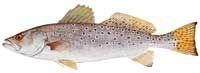
Spotted Weakfish (Cynoscion nebulosus), commonly called spotted seatrout, belong to the order Perciformes and family Sciaenidae. These popular gamefish are distinguished by their silvery sides marked with distinct black spots and a slightly protruding lower jaw. In South Padre Island waters this May, spotted weakfish have been actively feeding in the bay systems and nearshore areas.
Spotted Weakfish Overview
Spotted weakfish rank among the most sought-after inshore gamefish throughout the Gulf of Mexico and southeastern United States. Their abundance, willingness to bite, and excellent eating qualities make them a favorite target for both recreational and commercial fishers along the Texas coast.
Spotted Weakfish Habitat and Distribution
These fish inhabit coastal waters, bays, and tidal rivers from Maryland through Florida and across the Gulf Coast to Texas. They prefer areas with sandy or muddy bottoms near grass beds, oyster reefs, and channel edges where they can ambush prey in depths ranging from 2 to 30 feet.
Spotted Weakfish Size and Weight
Spotted weakfish typically measure between 12 and 39 inches in length and weigh from 3 to 17 pounds at maturity. Most fish caught by recreational anglers fall in the 14-20 inch range, with larger specimens over 25 inches considered trophy catches.
Spotted Weakfish Diet and Behavior
These predators feed primarily on shrimp, small crabs, and various baitfish including anchovies, mullet, and menhaden. They hunt most actively during dawn and dusk periods, using their excellent eyesight and lateral line system to locate prey in both clear and murky water conditions.
Spotted Weakfish Spawning Season
Spawning occurs in nearshore waters during spring and early summer when water temperatures reach 68-78°F. Peak spawning activity typically happens from April through June, with fish moving to deeper waters during the reproductive period.
Spotted Weakfish Fishing Techniques
Effective techniques include drift fishing with live shrimp, casting soft plastics around structure, and working topwater lures during low-light periods. In May around South Padre Island, anglers succeed using light tackle and natural presentations over grass flats and near channel drop-offs.
Spotted Weakfish Is It Good to Eat?
Spotted weakfish provide excellent table fare with tender, flaky white meat and a mild, sweet flavor. They're rich in protein and omega-3 fatty acids while maintaining low mercury levels, making them a healthy seafood choice for regular consumption.
Spotted Weakfish Frequently Asked Questions
Q: What is the best bait for spotted weakfish?
A: Live shrimp under a popping cork is the most productive method, though soft plastic jigs and topwater lures also work well during active feeding periods.
Q: Where can I find spotted weakfish near South Padre Island?
A: Target grass flats, channel edges, and areas near structure in 3-15 feet of water, particularly during early morning and evening hours.
Q: Is spotted weakfish good to eat?
A: Yes, spotted weakfish offer excellent eating with tender, flaky meat and mild flavor that works well fried, grilled, or baked.
Q: When is the best time to catch spotted weakfish?
A: Early morning and late afternoon provide peak action, especially during spring and fall when fish are most active in shallow waters.