%2Ffit-in%2F250x250%2Fguide_websites%2F3047%2Fimages%2F1753381719109stevelogo.jpg&w=1920&q=100)
Caught a Spotted Weakfish Inshore in South Padre
Spotted Weakfish in South Padre Island
%2F%2Fusers%2F3e750e46-d58e-456c-9169-d46dfdead4c0%2Fimages%2Fspotted-weakfish-south-padre-island-6801.png&w=1920&q=75)
The Cynoscion Nebulosus belongs to the order Perciformes and family Sciaenidae. It typically measures between 12 and 39 inches in length, with a weight range from 3 to 17 lbs. Habitat: onshore, nearshore, coastal river. - Popular gamefish in Gulf of Mexico waters. - Found from Maryland to Florida in southeastern United States. - Excellent table fare with mild, flaky white meat. - Responds well to live bait and light tackle fishing.
Guided Fishing Trip by Captain Steven Hillary in August

Meet your Captain Steven Hillary
- Specializing in Family & Children Fishing Trips


Summary
Captain Steven Hillary of Today We Fish Charter and Adventures on Thursday June offers exceptional bay fishing experiences targeting spotted weakfish and redfish in South Padre Island's productive inshore waters. Our 5-hour morning guided fishing trip combines live bait fishing, surf fishing, and light tackle techniques to maximize your success on these cooperative gamefish. With partly cloudy skies and optimal conditions, anglers consistently land spotted weakfish in the 16-inch range while enjoying the thrill of redfish that put up incredible fights. Whether you're a seasoned angler or new to the sport, our knowledgeable local guides provide the expertise and equipment needed for an unforgettable day on the water. The South Padre Island area offers some of Texas's finest inshore fishing opportunities, making it the perfect destination for your next fishing charter adventure.
Fishing Charter with Captain Steven Hillary – Rates & Booking
Captain Steven Hillary of Today We Fish Charter and Adventures on Thursday June provides comprehensive 5-hour morning bay fishing trips starting at 6:30 AM. Our experienced local guide specializes in live bait fishing, surf fishing, and light tackle techniques that consistently produce results in South Padre Island's productive inshore waters. All fishing gear and tackle are included, with our licensed captain providing expert guidance on targeting spotted weakfish and redfish in their prime feeding areas. Trip capacity accommodates small groups for a personalized fishing experience, with flexible scheduling available throughout the week. Contact us directly for current rates and availability, or book online to secure your preferred date for this premier South Padre Island fishing adventure.
Highlights of
This morning bay fishing experience showcases the best of South Padre Island's inshore fishing opportunities. Anglers target cooperative spotted weakfish averaging 16 inches, along with hard-fighting redfish that provide excellent sport on light tackle. The trip utilizes proven techniques including live bait presentations and surf fishing methods that capitalize on the area's natural fish movements. Our knowledgeable captain reads local conditions expertly, positioning anglers in productive zones where these species feed actively during morning hours.
The 5-hour duration allows ample time to explore multiple fishing spots while adapting to changing conditions and fish behavior. Whether targeting the grass flats for spotted weakfish or working structure for redfish, each cast offers potential for memorable catches in these rich coastal waters.
Local Species Insights: Spotted Weakfish
Spotted weakfish thrive in South Padre Island's nearshore and coastal river systems, where they feed actively on shrimp, small fish, and crabs in the shallow grass beds and sandy bottoms. These members of the drum family respond well to live bait presentations and light tackle approaches, making them ideal targets for anglers seeking consistent action. During Thursday June conditions, spotted weakfish typically hold in 3-8 feet of water near structure and grass edges, where they ambush prey during tidal movements. Their cooperative nature and excellent table fare make them a favorite among both novice and experienced anglers visiting South Padre Island's productive bay system.
Plan Your Fishing Charter Day
Your 5-hour morning fishing charter includes all necessary tackle, bait, and safety equipment aboard our well-maintained fishing vessel. We launch at 6:30 AM to take advantage of prime feeding times when spotted weakfish and redfish are most active in the cooler morning temperatures. The boat comfortably accommodates small groups, ensuring personalized attention from Captain Steven Hillary throughout your trip. All required safety gear and fishing licenses are provided, with our experienced captain handling navigation and fish-finding while you focus on the excitement of landing your catch in South Padre Island's renowned fishing waters.
Fishing in Texas: Spotted Weakfish
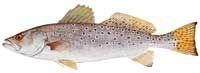
The Spotted Weakfish (Cynoscion nebulosus), also known as spotted seatrout, belongs to the order Perciformes and family Sciaenidae. This popular gamefish features distinctive dark spots scattered across its silvery sides and back, with a streamlined body built for speed and agility in shallow coastal waters. In South Padre Island waters this June, anglers consistently target these cooperative fish in the productive bay systems where they thrive year-round.
Spotted Weakfish Overview
Spotted weakfish are prized gamefish that combine excellent fighting ability with outstanding table fare. These members of the drum family inhabit coastal waters from Maryland to Florida, with particularly strong populations in Texas Gulf Coast bays. Anglers value them for their willingness to bite, their acrobatic fights, and their mild, flaky white meat that makes excellent eating.
Spotted Weakfish Habitat and Distribution
These fish prefer shallow coastal waters, grass flats, and nearshore areas with sandy or muddy bottoms. Around South Padre Island, they inhabit the extensive bay systems, coastal rivers, and nearshore Gulf waters where salinity levels fluctuate with tides and freshwater inflow. They commonly hold near oyster reefs, grass beds, and drop-offs where baitfish concentrate.
Spotted Weakfish Size and Weight
Spotted weakfish typically range from 12 to 39 inches in length, with weights between 3 and 17 pounds. Most fish caught by recreational anglers measure 14-20 inches and weigh 2-4 pounds, though trophy specimens exceeding 8 pounds provide memorable battles on light tackle.
Spotted Weakfish Diet and Behavior
These predators feed primarily on shrimp, small fish, crabs, and marine worms. They hunt actively during dawn and dusk periods, using their excellent eyesight and lateral line system to locate prey in shallow water. Spotted weakfish often feed in schools, making them excellent targets for anglers who locate active fish.
Spotted Weakfish Spawning Season
Spawning occurs from March through November in Texas waters, with peak activity during warmer months. Fish move to deeper waters and channel edges during spawning periods, where water temperatures between 68-84°F trigger reproductive behavior. Post-spawn fish return to shallow feeding areas with renewed appetites.
Spotted Weakfish Fishing Techniques
Live shrimp, croakers, and mullet produce excellent results when fished under popping corks or free-lined near grass beds. Artificial lures including soft plastics, topwater plugs, and spoons work well during active feeding periods. In June, anglers around South Padre Island find them near shallow grass flats and oyster reefs during morning and evening hours, with light spinning tackle providing optimal sport.
Spotted Weakfish Is It Good to Eat?
Spotted weakfish offer excellent table fare with mild, sweet flesh that flakes easily when cooked. The white meat contains high protein levels and beneficial omega-3 fatty acids while remaining low in mercury. Popular cooking methods include grilling, blackening, frying, and baking, with the delicate flavor complementing various seasonings and preparations.
Spotted Weakfish Frequently Asked Questions
Q: What is the best bait for spotted weakfish?
A: Live shrimp fished under a popping cork produces consistently excellent results, followed by live croakers and mullet. Artificial soft plastics and topwater lures work well during active feeding periods.
Q: Where can I find spotted weakfish near South Padre Island?
A: Target shallow grass flats, oyster reefs, and channel edges in the bay systems. They commonly hold in 3-8 feet of water near structure during tidal movements.
Q: Is spotted weakfish good to eat?
A: Yes, spotted weakfish provide excellent table fare with mild, sweet white meat that's high in protein and omega-3s while remaining low in mercury. They're versatile for various cooking methods.
Q: When is the best time to catch spotted weakfish?
A: Dawn and dusk periods produce the most consistent action, with fish feeding actively in shallow water during these low-light conditions. Tidal movements also trigger feeding activity throughout the day.