%2Ffit-in%2F250x250%2Fguide_websites%2F3047%2Fimages%2F1753381719109stevelogo.jpg&w=1920&q=100)
Caught a Spotted Weakfish Inshore in South Padre
Spotted Weakfish Fishing in South Padre Island
%2F%2Fusers%2F3e750e46-d58e-456c-9169-d46dfdead4c0%2Fimages%2Fspotted-weakfish-south-padre-island-5728.png&w=1920&q=75)
The Cynoscion Nebulosus belongs to the order Perciformes and family Sciaenidae. It typically measures between 12 and 39 inches in length, with a weight range from 3 to 17 lbs. - Habitat: onshore, nearshore, coastal river. - Popular gamefish in Gulf of Mexico waters. - Also called spotted seatrout by many anglers. - Excellent table fare with mild, flaky white meat.
Guided Fishing Trip by Captain Steven Hillary in August

Meet your Captain Steven Hillary
- Specializing in Family & Children Fishing Trips


Summary
Captain Steven Hillary of Today We Fish Charter and Adventures on Wednesday August delivered an outstanding morning bay fishing experience in South Padre Island waters. Our half-day guided fishing trip combined surf fishing, wade fishing, and pier techniques to target the productive inshore bite. The highlight came with a impressive 29-inch Spotted Weakfish that showcased the quality fishing these Texas coastal waters offer year-round. From dawn patrol sessions to diverse fishing methods, this charter demonstrates why South Padre Island remains a premier destination for anglers seeking both trophy fish and memorable experiences on the water.
Guided Fishing Trip with Captain Steven Hillary – Rates & Booking
Captain Steven Hillary of Today We Fish Charter and Adventures on Wednesday August offers comprehensive half-day morning bay fishing trips that combine multiple techniques for maximum success. These guided fishing trips include all necessary gear, local expertise, and access to prime fishing spots around South Padre Island's productive waters. Trip duration runs approximately 4-6 hours with early morning departures to capitalize on peak feeding times. Licensed guide service ensures safety protocols while maximizing your chances at landing quality fish like Spotted Weakfish and Southern Flounder. Contact Today We Fish Charter and Adventures directly to check availability and secure your spot on upcoming fishing adventures.
Highlights of Morning Bay Fishing Experience
This charter showcases the versatility of South Padre Island fishing through surf fishing, wade fishing, and pier techniques all in one trip. The 29-inch Spotted Weakfish represents the quality inshore fishing available in these Texas waters, while the 19-inch Southern Flounder adds variety to the catch. Clear summer conditions provided excellent visibility for spotting fish and adjusting techniques throughout the morning. The diverse approach allows anglers to experience different fishing methods while targeting multiple species in productive bay waters.
Local Species Insights: Spotted Weakfish
Spotted Weakfish thrive in South Padre Island's nearshore and bay waters, particularly during summer months when they move into shallower areas to feed. These members of the drum family prefer structure like oyster reefs, grass flats, and channel edges where they ambush baitfish. The 29-inch specimen caught demonstrates the trophy potential of local waters, as these fish commonly reach 3-5 pounds with larger specimens exceeding 10 pounds. Anglers find success using live bait, soft plastics, and topwater lures during early morning and evening periods when Spotted Weakfish are most active.
Plan Your Fishing Charter Day
Today We Fish Charter and Adventures provides all fishing equipment, tackle, and local knowledge needed for a successful outing. The charter accommodates small groups with personalized attention from Captain Steven Hillary, who adjusts techniques based on current conditions and fish activity. Early morning departures take advantage of prime feeding times while avoiding afternoon heat and wind. Safety equipment and fishing licenses are handled by the charter service, allowing guests to focus on the fishing experience and enjoying South Padre Island's productive coastal waters.
Fishing in Texas: Spotted Weakfish
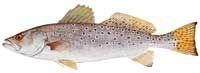
The Spotted Weakfish (Cynoscion nebulosus), also commonly known as spotted seatrout, is a prized gamefish from the Sciaenidae family within the order Perciformes. Distinguished by its silvery body adorned with distinctive black spots along the sides and back, this species features a slightly compressed body shape and a large mouth equipped with prominent canine teeth. In South Padre Island waters this August, anglers consistently target these fish for their fighting ability and excellent table fare.
Spotted Weakfish Overview
Spotted Weakfish represent one of the most sought-after inshore gamefish along the Texas coast, valued for their aggressive strikes, acrobatic fights, and delicious white meat. These members of the drum family inhabit shallow coastal waters, grass flats, and oyster reefs where they feed primarily on shrimp, small fish, and crabs. Anglers appreciate their willingness to take both live bait and artificial lures, making them accessible to fishing enthusiasts of all skill levels.
Spotted Weakfish Habitat and Distribution
These fish prefer shallow coastal waters, typically found in depths ranging from 2 to 30 feet around grass beds, oyster reefs, and sandy bottoms. Along the Texas coast near South Padre Island, they inhabit bay systems, nearshore waters, and coastal rivers where salinity levels remain optimal for feeding and reproduction. During warmer months, they move into shallower areas to feed, making them prime targets for wade fishing and shallow-water techniques.
Spotted Weakfish Size and Weight
Adult Spotted Weakfish typically range from 12 to 39 inches in length, with weights spanning 3 to 17 pounds. Most fish caught by recreational anglers measure between 14-24 inches and weigh 2-6 pounds, though trophy specimens exceeding 8 pounds are caught regularly in productive waters. The largest recorded specimens have reached weights over 15 pounds, representing exceptional catches that showcase the species' growth potential in nutrient-rich coastal environments.
Spotted Weakfish Diet and Behavior
These predatory fish feed primarily on shrimp, small fish like mullet and anchovies, crabs, and marine worms. They exhibit crepuscular feeding patterns, becoming most active during dawn and dusk periods when prey species are most vulnerable. Spotted Weakfish often hunt in small schools, using their keen eyesight and lateral line system to locate prey in shallow water environments.
Spotted Weakfish Spawning Season
Spawning occurs primarily from March through November in Texas waters, with peak activity during warmer months when water temperatures reach 70-85 degrees Fahrenheit. During spawning season, adult fish move to deeper waters and form large aggregations, creating excellent fishing opportunities for anglers who locate these concentrations.
Spotted Weakfish Fishing Techniques
Successful techniques include live bait fishing with shrimp or small fish, artificial lures like soft plastics and topwater plugs, and fly fishing with streamers and shrimp patterns. Anglers find success around structure like oyster reefs, grass flats, and channel edges during early morning and evening periods. In August around South Padre Island, wade fishing the shallow flats during dawn produces consistent results when targeting feeding fish in 2-4 feet of water.
Spotted Weakfish Is It Good to Eat?
Spotted Weakfish provide excellent table fare with mild, sweet-flavored white meat that flakes easily when cooked. The flesh contains high levels of protein and omega-3 fatty acids while remaining relatively low in mercury compared to larger predatory fish. Popular cooking methods include grilling, blackening, frying, and baking, with the delicate flavor complementing both simple seasonings and complex preparations.
Spotted Weakfish Frequently Asked Questions
Q: What is the best bait for Spotted Weakfish?
A: Live shrimp, small mullet, and soft plastic lures like paddle tails work exceptionally well. Topwater plugs during dawn and dusk periods also produce explosive strikes.
Q: Where can I find Spotted Weakfish near South Padre Island?
A: Target grass flats, oyster reefs, and channel edges in the Laguna Madre bay system. Shallow areas with 2-6 feet of water typically hold feeding fish during morning and evening periods.
Q: Is Spotted Weakfish good to eat?
A: Yes, they offer excellent table fare with mild, flaky white meat that's high in protein and omega-3s. The delicate flavor works well with various cooking methods from grilling to blackening.
Q: When is the best time to catch Spotted Weakfish?
A: Early morning and evening periods during warmer months provide peak action. Summer and fall months offer consistent fishing, with dawn and dusk producing the most aggressive feeding behavior.