%2Ffit-in%2F250x250%2Fguide_websites%2F3047%2Fimages%2F1753381719109stevelogo.jpg&w=1920&q=100)
Steven Hillarys Spotted Weakfish Fishing Guide
Spotted Weakfish Fishing in South Padre Island
%2F%2Fusers%2F3e750e46-d58e-456c-9169-d46dfdead4c0%2Fimages%2Fspotted-weakfish-south-padre-island-5588.png&w=1920&q=75)
The Cynoscion Nebulosus belongs to the order Perciformes and family Sciaenidae. It typically measures between 12 and 39 inches in length, with a weight range from 3 to 17 lbs. Habitat: onshore, nearshore, coastal river. - Popular gamefish in Gulf of Mexico waters. - Commonly found from Maryland to Florida. - Excellent table fare with delicate flavor.
Guided Fishing Trip by Captain Steven Hillary in August

Meet your Captain Steven Hillary
- Specializing in Family & Children Fishing Trips


Summary
Captain Steven Hillary of Today We Fish Charter and Adventures on Tuesday June offers exceptional bay fishing experiences targeting Spotted Weakfish in South Padre Island's productive coastal waters. Using proven techniques like jigging, light tackle, and drift fishing, anglers consistently connect with these hard-fighting gamefish in the nearshore and bay environments. The 5-hour morning trips provide excellent opportunities for both experienced anglers and beginners to experience the thrill of hooking into aggressive Spotted Weakfish while enjoying the beautiful Gulf Coast scenery. With local knowledge of the best fishing spots and seasonal patterns, these guided fishing trips deliver memorable catches and delicious table fare for the entire family.
Fishing Charter with Captain Steven Hillary – Rates & Booking
Captain Steven Hillary of Today We Fish Charter and Adventures on Tuesday June provides comprehensive bay fishing experiences with all tackle, bait, and safety equipment included. The 5-hour morning trips target productive waters where Spotted Weakfish congregate, using multiple techniques to maximize your catch. Licensed and experienced, Captain Steven knows the local waters intimately and adjusts tactics based on current conditions and fish behavior. Book online to secure your preferred date and experience the excitement of South Padre Island's excellent bay fishing opportunities.
Highlights of Bay Fishing Adventure
These guided trips focus on the abundant Spotted Weakfish populations that thrive in South Padre Island's bay systems and nearshore waters. The combination of jigging, light tackle, and drift fishing techniques allows anglers to cover different water columns and present baits effectively. Morning trips take advantage of prime feeding times when fish are most active and aggressive. The steady action and variety of techniques keep everyone engaged, from first-time anglers learning the basics to experienced fishermen perfecting their skills.
Local Species Insights: Spotted Weakfish
Spotted Weakfish are perfectly adapted to South Padre Island's coastal environment, thriving in the mix of bay waters, nearshore areas, and coastal rivers. These members of the drum family are known for their distinctive spotted pattern and excellent fighting ability when hooked. They feed aggressively on small fish, shrimp, and crabs, making them responsive to various bait presentations. During June, water temperatures and bait concentrations create ideal conditions for consistent action, with fish ranging from keeper-sized specimens to trophy catches that provide both excitement and excellent table fare.
Plan Your Fishing Charter Day
The 5-hour morning format provides optimal fishing time while avoiding the heat of midday. All necessary equipment is provided, including rods, reels, tackle, bait, and safety gear. The boat accommodates small groups comfortably, allowing for personalized instruction and attention. Departure times are scheduled to coincide with favorable tides and feeding periods. Bring sun protection, snacks, and drinks, plus a cooler if you plan to keep your catch. The captain provides fish cleaning services and local preparation tips for your Spotted Weakfish.
Fishing in Texas: Spotted Weakfish
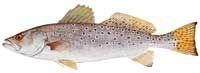
The Spotted Weakfish (Cynoscion nebulosus), also known as spotted seatrout, is a prized gamefish belonging to the order Perciformes and family Sciaenidae. This distinctive species features a silvery body adorned with numerous dark spots that extend onto the dorsal and caudal fins, making it easily recognizable to anglers. In South Padre Island waters this June, these aggressive feeders provide consistent action for both novice and experienced fishermen.
Spotted Weakfish Overview
Spotted Weakfish are highly valued by recreational anglers throughout the Gulf Coast for their fighting ability, abundance, and excellent eating qualities. Despite their name, these fish are actually members of the drum family, not true trout. They play a crucial role in the coastal ecosystem as both predator and prey, supporting healthy marine food webs in bay systems and nearshore environments.
Spotted Weakfish Habitat and Distribution
These adaptable fish thrive in onshore, nearshore, and coastal river environments throughout the Gulf of Mexico and southeastern United States. Around South Padre Island, they frequent grass flats, oyster reefs, drop-offs, and channel edges where baitfish concentrate. They prefer water temperatures between 60-85°F and can tolerate varying salinity levels, making them well-suited to the dynamic coastal environment of Texas waters.
Spotted Weakfish Size and Weight
Adult Spotted Weakfish typically range from 12 to 39 inches in length, with weights spanning 3 to 17 pounds. Most fish caught by recreational anglers fall in the 14-24 inch range, weighing 2-6 pounds. Trophy specimens exceeding 8 pounds are considered exceptional catches and represent mature breeding fish that should be handled with care if released.
Spotted Weakfish Diet and Behavior
These opportunistic predators feed primarily on small fish, shrimp, crabs, and marine worms. They hunt most actively during dawn and dusk periods, though they can be caught throughout the day under favorable conditions. Spotted Weakfish often feed in schools, creating exciting periods of fast action when anglers locate concentrations of fish. Their feeding behavior varies seasonally, with spring and early summer providing some of the most consistent bite periods.
Spotted Weakfish Spawning Season
Spawning occurs from March through November in Gulf waters, with peak activity during warmer months. During this period, fish move to deeper waters and form large aggregations. Water temperatures above 68°F trigger spawning behavior, with females releasing eggs that drift with currents until hatching. Post-spawn fish often exhibit increased feeding activity as they recover condition.
Spotted Weakfish Fishing Techniques
Successful techniques include drift fishing with live shrimp, jigging with soft plastics, and casting spoons or topwater lures near structure. Light tackle in the 6-12 pound class provides the best balance of sport and landing capability. Popular baits include live shrimp, croaker, and mullet, while artificial lures like paddle tails, spoons, and popping corks produce excellent results. In June, anglers around South Padre Island find them concentrated near grass beds and oyster reefs during morning and evening feeding periods.
Spotted Weakfish Is It Good to Eat?
Spotted Weakfish are considered excellent table fare with mild, flaky white meat that's versatile in preparation. The flesh is low in fat and high in protein, making it a healthy dining choice. Popular cooking methods include grilling, blackening, frying, and baking. The delicate flavor pairs well with citrus, herbs, and light seasonings. Fresh fish should be kept on ice and consumed within 1-2 days for optimal quality.
Spotted Weakfish Frequently Asked Questions
Q: What is the best bait for Spotted Weakfish?
A: Live shrimp is the most consistently productive bait, though croaker, mullet, and artificial soft plastics also work well. Match your bait size to local forage for best results.
Q: Where can I find Spotted Weakfish near South Padre Island?
A: Look for them around grass flats, oyster reefs, channel drop-offs, and areas where fresh and salt water mix. Structure and current breaks are key features that concentrate these fish.
Q: Is Spotted Weakfish good to eat?
A: Yes, they're considered excellent table fare with mild, flaky white meat that's perfect for grilling, frying, or blackening. The meat is lean and takes on flavors well.
Q: When is the best time to catch Spotted Weakfish?
A: Early morning and late afternoon provide the most consistent action, though they can be caught throughout the day. Spring through early fall offers the best fishing opportunities.