%2Ffit-in%2F250x250%2Fguide_websites%2F3047%2Fimages%2F1753381719109stevelogo.jpg&w=1920&q=100)
Caught a Spotted Weakfish Inshore in South Padre
Spotted Weakfish Fishing in South Padre Island
%2F%2Fusers%2F3e750e46-d58e-456c-9169-d46dfdead4c0%2Fimages%2Fspotted-weakfish-south-padre-island-3340.png&w=1920&q=75)
The Cynoscion Nebulosus belongs to the order Perciformes and family Sciaenidae. It typically measures between 12 and 39 inches in length, with a weight range from 3 to 17 lbs. - Habitat includes onshore, nearshore, and coastal river environments. - Popular gamefish found throughout Gulf of Mexico coastal waters. - Also known as Spotted Seatrout in many regions. - Excellent table fare with mild, flaky white meat.
Guided Fishing Trip by Captain Steven Hillary in August

Meet your Captain Steven Hillary
- Specializing in Family & Children Fishing Trips


Summary
Captain Steven Hillary of Today We Fish Charter and Adventures on Wednesday July offers exceptional inshore fishing experiences targeting Spotted Weakfish in South Padre Island's productive coastal waters. This 3-hour morning charter combines surf fishing, pier action, and nearshore opportunities, perfect for anglers seeking diverse fishing techniques in one trip. The clear summer conditions and abundant marine life make South Padre Island a premier destination for both novice and experienced fishermen. Our guided fishing trips include all necessary gear and local expertise to maximize your chances of landing quality catches like the 19-inch Spotted Weakfish recently brought aboard. Whether you're interested in surf casting from the beach or exploring deeper nearshore waters, these Texas Gulf Coast waters consistently produce exciting fishing action throughout the season.
Guided Fishing Trip with Captain Steven Hillary – Rates & Booking
Captain Steven Hillary of Today We Fish Charter and Adventures on Wednesday July provides comprehensive 3-hour morning fishing charters targeting Spotted Weakfish and other Gulf Coast species. Our licensed guide offers all tackle, bait, and local knowledge needed for a successful outing, with trips starting at dawn to take advantage of prime feeding times. The charter accommodates various skill levels and includes surf fishing, pier access, and nearshore opportunities in one convenient package. Book online to secure your preferred date and experience the productive waters that consistently deliver quality catches like our recent 19-inch Spotted Weakfish.
Highlights of 3 Hour Morning Quick Trip
This early morning charter maximizes fishing opportunities by covering multiple productive zones around South Padre Island. The trip combines surf fishing techniques with pier access and nearshore exploration, giving anglers exposure to different fishing styles and target species. Recent success includes landing quality Spotted Weakfish using deep sea jigging techniques in the clear summer conditions that make South Padre Island famous among Gulf Coast anglers.
The morning timing takes advantage of cooler temperatures and active fish feeding patterns, while the 3-hour duration provides substantial fishing time without consuming your entire day. All necessary equipment is provided, making this an ideal choice for visiting anglers or locals looking to explore new fishing grounds with experienced guidance.
Local Species Insights: Spotted Weakfish
Spotted Weakfish thrive in South Padre Island's diverse coastal environment, moving between surf zones, nearshore waters, and coastal rivers depending on season and feeding patterns. These members of the drum family are particularly active during summer months when water temperatures and bait concentrations create ideal conditions. The recent 19-inch catch demonstrates the quality fish available in these waters, with Spotted Weakfish responding well to jigging techniques and live bait presentations. Local anglers target them around structure, grass beds, and areas where fresh water meets salt water, making South Padre Island's varied coastline perfect habitat for consistent action.
Plan Your Fishing Charter Day
Your morning charter begins at dawn with all tackle, bait, and safety equipment provided by Today We Fish Charter and Adventures. The trip covers multiple fishing environments including surf fishing from the beach, pier access points, and nearshore waters accessible by boat. Captain Steven Hillary brings extensive local knowledge of seasonal patterns, productive structures, and effective techniques for targeting Spotted Weakfish and other Gulf Coast species. The 3-hour format allows time to explore different areas while maintaining focus on active fishing rather than long travel times between spots.
Fishing in Texas: Spotted Weakfish
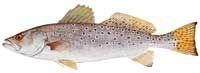
The Spotted Weakfish (Cynoscion nebulosus), also commonly known as Spotted Seatrout, belongs to the order Perciformes and family Sciaenidae. This popular gamefish features distinctive dark spots scattered across its silver sides and back, with a streamlined body built for speed and agility in coastal waters. In South Padre Island waters this July, anglers consistently find them in the productive nearshore and inshore environments that define this premier Texas fishing destination.
Spotted Weakfish Overview
Spotted Weakfish are prized gamefish throughout the Gulf of Mexico, valued for their fighting ability, abundance, and excellent table fare. They inhabit a wide range of coastal environments from surf zones to brackish rivers, making them accessible to anglers using various techniques. Their adaptability to different salinity levels and water depths makes them a reliable target species for both novice and experienced fishermen.
Spotted Weakfish Habitat and Distribution
These fish thrive in onshore, nearshore, and coastal river environments throughout the Gulf of Mexico and southeastern United States from Maryland to Florida. Around South Padre Island, they frequent grass beds, oyster reefs, and areas where fresh water meets salt water. They prefer water temperatures between 60-80°F and are commonly found in depths ranging from shallow flats to 30 feet of water.
Spotted Weakfish Size and Weight
Spotted Weakfish typically range from 12 to 39 inches in length, with weights spanning 3 to 17 pounds. Most recreational catches fall in the 14-24 inch range, while trophy specimens exceeding 30 inches are considered exceptional. The recent 19-inch catch from South Padre Island represents a solid keeper-sized fish that demonstrates the quality available in these productive waters.
Spotted Weakfish Diet and Behavior
These predators feed primarily on shrimp, small crabs, and baitfish including mullet, anchovies, and menhaden. They are most active during dawn and dusk periods, though they can be caught throughout the day when conditions are favorable. Spotted Weakfish often feed in schools and are known for their aggressive strikes when presented with properly sized baits or lures.
Spotted Weakfish Spawning Season
Spawning occurs in nearshore waters during spring and early summer months when water temperatures reach optimal levels. During this period, fish concentrate in specific areas and can be more predictable for anglers who understand their seasonal movements. Post-spawn fish often move into shallower waters to feed heavily, creating excellent fishing opportunities.
Spotted Weakfish Fishing Techniques
Effective techniques include live bait fishing with shrimp or small baitfish, artificial lures such as soft plastics and topwater plugs, and jigging in deeper water. Around South Padre Island, anglers find success using popping corks with live shrimp, casting soft plastic baits near grass beds, and working topwater lures during low-light periods. In July, focus on early morning and evening periods when fish are most active in the warming waters.
Spotted Weakfish Is It Good to Eat?
Spotted Weakfish are considered excellent table fare with mild, sweet-tasting white meat that flakes easily when cooked. The flesh is low in fat and high in protein, making it a healthy dining option. Popular preparation methods include grilling, blackening, frying, and baking. The meat is delicate, so gentle handling and quick cooking methods produce the best results.
Spotted Weakfish Frequently Asked Questions
Q: What is the best bait for Spotted Weakfish?
A: Live shrimp is the most consistently effective bait, though small baitfish, soft plastic lures, and topwater plugs also produce excellent results depending on conditions and time of day.
Q: Where can I find Spotted Weakfish near South Padre Island?
A: Look for them around grass beds, oyster reefs, and areas where the Laguna Madre meets the Gulf. Shallow flats, channel edges, and structure in 3-15 feet of water are particularly productive.
Q: Is Spotted Weakfish good to eat?
A: Yes, they are considered excellent table fare with mild, flaky white meat that is versatile for many cooking methods including grilling, frying, and baking.
Q: When is the best time to catch Spotted Weakfish?
A: Early morning and evening periods are most productive, especially during spring and summer months when water temperatures are optimal and baitfish are abundant.