%2Ffit-in%2F250x250%2Fguide_websites%2F3047%2Fimages%2F1753381719109stevelogo.jpg&w=1920&q=100)
Steven Hillarys Spotted Weakfish Fishing in South Padre
Spotted Weakfish Fishing in South Padre Island
%2F%2Fusers%2F3e750e46-d58e-456c-9169-d46dfdead4c0%2Fimages%2Fspotted-weakfish-deep-sea-jigging-5475.png&w=1920&q=75)
The Spotted Weakfish belongs to the order Perciformes and family Sciaenidae. It typically measures between 12 and 39 inches in length, with a weight range from 3 to 17 lbs. - Habitat includes onshore, nearshore, and coastal river environments. - Popular gamefish commonly found in Gulf of Mexico coastal waters. - Known for aggressive feeding behavior and excellent table fare. - Responds well to jigging, light tackle, and drift fishing techniques.
Guided Fishing Trip by Captain Steven Hillary in August

Meet your Captain Steven Hillary
- Specializing in Family & Children Fishing Trips


Summary
Captain Steven Hillary of Today We Fish Charter and Adventures on Tuesday June offers productive bay fishing trips targeting Spotted Weakfish in South Padre Island's productive coastal waters. Using proven techniques like jigging, light tackle, and drift fishing, anglers consistently hook these hard-fighting gamefish in the nearshore bays and coastal rivers around South Padre Island. The 5-hour morning trips provide excellent opportunities for both experienced anglers and beginners to experience the aggressive bite and steady action that makes Spotted Weakfish such a popular target species. With knowledgeable local guidance and all necessary gear included, these guided fishing trips deliver memorable days on the water with coolers full of delicious fish to take home. Book your South Padre Island bay fishing adventure and discover why these waters are renowned for their consistent Spotted Weakfish action.
Fishing Charter with Captain Steven Hillary – Rates & Booking
Captain Steven Hillary of Today We Fish Charter and Adventures on Tuesday June provides expert guidance for productive bay fishing trips in South Padre Island's coastal waters. These 5-hour morning charters focus on targeting Spotted Weakfish using proven techniques like jigging, light tackle, and drift fishing. All necessary gear is included, and the experienced crew ensures both beginners and seasoned anglers have successful trips. Contact Today We Fish Charter and Adventures directly for current rates, availability, and to secure your spot on these popular bay fishing adventures.
Highlights of Bay Fishing in South Padre Island
The nearshore bays and coastal rivers around South Padre Island provide ideal habitat for Spotted Weakfish, creating consistent fishing opportunities throughout the season. The variety of fishing techniques employed—from jigging to drift fishing—allows anglers to cover different parts of the water column effectively. The aggressive feeding behavior of Spotted Weakfish means steady action with rods constantly bending as these hard-fighting fish are reeled in one after another.
The productive waters around South Padre Island offer excellent conditions for both experienced anglers looking to refine their techniques and newcomers eager to experience their first successful fishing trip. With knowledgeable local guides providing instruction and all gear included, these bay fishing adventures consistently deliver memorable experiences and coolers full of delicious fish to take home.
Local Species Insights: Spotted Weakfish
Spotted Weakfish thrive in the onshore, nearshore, and coastal river environments around South Padre Island, making them a reliable target for bay fishing trips. These members of the drum family are known for their aggressive feeding behavior and strong fighting ability when hooked. During Tuesday June trips, anglers find them actively feeding in the productive bay waters, responding well to jigging presentations and light tackle approaches. The fish's preference for varied water depths allows guides to employ multiple techniques throughout the trip, ensuring consistent action as conditions change. Their excellent table fare makes them a prized catch for anglers looking to bring home a delicious meal from their South Padre Island fishing adventure.
Plan Your Fishing Charter Day
These 5-hour morning bay fishing trips depart from South Padre Island with all necessary fishing gear, tackle, and safety equipment provided by Today We Fish Charter and Adventures. The experienced crew handles boat operation and fish cleaning, allowing guests to focus on the fishing experience. Trips accommodate various skill levels, with guides providing instruction on jigging, light tackle, and drift fishing techniques. Anglers should bring sun protection, snacks, and beverages for the morning on the water. The charter returns to port with time to clean and package your catch for the trip home.
Fishing in Texas: Spotted Weakfish
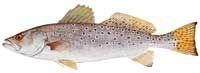
The Spotted Weakfish (Cynoscion nebulosus) is a highly sought-after gamefish belonging to the order Perciformes and family Sciaenidae, commonly known as the drum family. This popular species is distinguished by its silvery body adorned with distinctive dark spots along its sides and back, making it easily recognizable to anglers. In South Padre Island waters this June, these fish are actively feeding in the productive bay systems and coastal rivers that provide ideal habitat.
Spotted Weakfish Overview
Spotted Weakfish are prized by recreational anglers for their aggressive feeding behavior, strong fighting ability, and excellent table fare. They are commonly found throughout the Gulf of Mexico coastal waters, from Texas to Florida, with South Padre Island representing some of the most productive fishing grounds. The species gets its name from the relatively soft mouth tissue that requires careful handling when fighting and landing the fish.
Spotted Weakfish Habitat and Distribution
These fish prefer onshore, nearshore, and coastal river environments where they can find abundant prey and suitable water conditions. Around South Padre Island, they inhabit the bay systems, grass flats, and channel edges where baitfish congregate. The mixing of fresh and saltwater in coastal rivers creates nutrient-rich environments that support the food chain these fish depend on.
Spotted Weakfish Size and Weight
Adult Spotted Weakfish typically range from 12 to 39 inches in length, with weights spanning from 3 to 17 pounds. The larger specimens are often found in deeper waters and around structure, while smaller fish frequent the shallow grass flats and bay areas where they feed on shrimp and small baitfish.
Spotted Weakfish Diet and Behavior
These opportunistic predators feed primarily on shrimp, small crabs, and various baitfish species including mullet, anchovies, and menhaden. They are most active during dawn and dusk periods, though they can be caught throughout the day when conditions are favorable. Their feeding behavior makes them responsive to both live bait and artificial lures, particularly when presented near bottom structure or in areas with current flow.
Spotted Weakfish Spawning Season
Spawning typically occurs in nearshore waters during spring and early summer months when water temperatures reach optimal ranges. During this period, fish may concentrate in specific areas, creating excellent fishing opportunities for anglers who understand their seasonal movements and preferred spawning habitat.
Spotted Weakfish Fishing Techniques
Effective techniques include jigging with soft plastics, drift fishing with live or cut bait, and light tackle approaches using spoons or topwater lures. The key is matching the presentation to current conditions and fish behavior. In June, anglers around South Padre Island find success using jigs tipped with shrimp or small baitfish, working them near grass beds and channel edges where these fish commonly feed.
Spotted Weakfish Is It Good to Eat?
Spotted Weakfish are considered excellent table fare with mild, flaky white meat that is versatile in preparation. The flesh is low in fat and high in protein, making it a healthy choice for seafood lovers. Popular cooking methods include grilling, baking, and pan-frying, with the delicate flavor complementing both simple seasonings and more complex preparations.
Spotted Weakfish Frequently Asked Questions
Q: What is the best bait for Spotted Weakfish?
A: Live or fresh dead shrimp are highly effective, along with small baitfish like mullet or anchovies. Soft plastic jigs and spoons also produce excellent results when worked near bottom structure.
Q: Where can I find Spotted Weakfish near South Padre Island?
A: Look for them around grass flats, channel edges, and areas where fresh and saltwater mix in the bay systems. They often concentrate near structure and in areas with good current flow.
Q: Is Spotted Weakfish good to eat?
A: Yes, they are considered excellent table fare with mild, flaky white meat that is versatile and delicious when prepared properly.
Q: When is the best time to catch Spotted Weakfish?
A: Dawn and dusk periods are typically most productive, though they can be caught throughout the day when conditions are favorable, especially during spring and early summer months.