%2Ffit-in%2F250x250%2Fguide_websites%2F3047%2Fimages%2F1753381719109stevelogo.jpg&w=1920&q=100)
Inshore Spotted Weakfish Catch Near South Padre
Spotted Weakfish Fishing in South Padre Island
%2F%2Fusers%2F3e750e46-d58e-456c-9169-d46dfdead4c0%2Fimages%2Fspotted-weakfish-deep-sea-jigging-5330.png&w=1920&q=75)
The Spotted Weakfish belongs to the order Perciformes and family Sciaenidae. It typically measures between 12 and 39 inches in length, with a weight range from 3 to 17 lbs. Habitat: onshore, nearshore, coastal river environments. - Popular gamefish in Gulf of Mexico waters. - Also called spotted seatrout in some regions. - Excellent table fare with mild, flaky white meat. - Active feeder on shrimp, crabs, and small baitfish.
Guided Fishing Trip by Captain Steven Hillary in August

Meet your Captain Steven Hillary
- Specializing in Family & Children Fishing Trips


Summary
Captain Steven Hillary of Today We Fish Charter and Adventures on Thursday June offers exceptional guided fishing trips targeting spotted weakfish in South Padre Island's productive bay waters. Our 5-hour morning charters focus on light tackle fishing and live bait techniques, consistently producing quality catches in the 15-16 inch range. With partly cloudy skies creating ideal conditions, anglers experience the thrill of hooking these feisty gamefish while exploring the diverse inshore fishing opportunities that make South Padre Island a premier Gulf Coast destination. Whether you're targeting redfish, speckled trout, or spotted weakfish, our local expertise and top-quality gear ensure an unforgettable day on the water. Book online to secure your spot for this incredible bay fishing experience.
Guided Fishing Trip with Captain Steven Hillary – Rates & Booking
Captain Steven Hillary of Today We Fish Charter and Adventures on Thursday June provides comprehensive 5-hour morning bay fishing trips starting at 6:30 AM. Our licensed guide brings decades of local experience targeting spotted weakfish, redfish, and speckled trout in South Padre Island's prime fishing waters. All tackle, bait, and safety equipment included with every charter. Small group sizes ensure personalized attention and maximum fishing time. Contact us directly for current rates and availability—advance booking recommended for peak season dates.
Highlights of Bay Fishing Adventure
Experience the excitement of light tackle fishing in South Padre Island's renowned bay system, where spotted weakfish and redfish provide consistent action throughout the morning hours. Our trips focus on productive techniques including live bait fishing and surf fishing methods that have proven successful in these waters. The 15-16 inch spotted weakfish we regularly encounter offer excellent sport on light tackle, while the diverse ecosystem supports multiple species for varied fishing opportunities.
Captain Steven's intimate knowledge of local structure, tides, and seasonal patterns ensures you'll fish the most productive areas during optimal conditions. Whether targeting the grass flats for speckled trout or working deeper channels for redfish, every cast is strategically placed for maximum success.
Local Species Insights: Spotted Weakfish
Spotted weakfish thrive in South Padre Island's nearshore and coastal river environments, where they feed aggressively on shrimp, small crabs, and baitfish. These members of the drum family are perfectly adapted to the brackish waters and grass flats that characterize our local bay system. During June, spotted weakfish become increasingly active in the early morning hours, making our 6:30 AM departure time ideal for connecting with quality fish. Their distinctive spotted pattern and aggressive strikes on live bait make them a favorite target for both novice and experienced anglers seeking consistent action in Texas coastal waters.
Plan Your Guided Fishing Trip Day
Our 5-hour morning charters depart promptly at 6:30 AM, allowing anglers to take advantage of prime feeding times before afternoon weather patterns develop. All necessary fishing equipment, tackle, and bait are provided, though you're welcome to bring personal gear if preferred. The boat comfortably accommodates small groups, ensuring everyone has ample space to fish effectively. We recommend bringing sun protection, snacks, and beverages for the trip. Captain Steven provides expert instruction on techniques and local knowledge, making this trip suitable for all skill levels from beginners to seasoned anglers.
Fishing in Texas: Spotted Weakfish
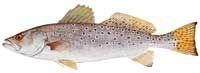
The Spotted Weakfish (Cynoscion nebulosus) is a highly sought-after gamefish belonging to the order Perciformes and family Sciaenidae, commonly found throughout the coastal waters of the Gulf of Mexico and along the Southeastern United States from Maryland to Florida. Also known as spotted seatrout in many regions, this species features distinctive dark spots scattered across its silvery sides and back, making it easily recognizable to anglers. In South Padre Island waters this June, spotted weakfish provide excellent sport fishing opportunities in the shallow bay systems and nearshore environments.
Spotted Weakfish Overview
Spotted weakfish are prized by recreational anglers for their aggressive feeding behavior, excellent fighting ability on light tackle, and superior table quality. These fish are perfectly adapted to the brackish water environments found throughout Texas coastal bays, where they feed actively on shrimp, small crabs, and various baitfish species. Their popularity stems from both their abundance in suitable habitat and their willingness to strike a variety of baits and lures.
Spotted Weakfish Habitat and Distribution
These fish prefer shallow, grassy areas in bays, estuaries, and nearshore coastal waters where salinity levels fluctuate with tides and freshwater inflow. Around South Padre Island, spotted weakfish are commonly found over seagrass beds, near oyster reefs, and along channel edges where they ambush prey. They tolerate a wide range of salinity levels, making them well-suited to the dynamic coastal environment of the Texas Gulf Coast.
Spotted Weakfish Size and Weight
Spotted weakfish typically range from 12 to 39 inches in length, with weights between 3 and 17 pounds. Most fish caught by recreational anglers fall in the 14-18 inch range, weighing 2-4 pounds, though larger specimens exceeding 20 inches and 5 pounds are regularly encountered in prime habitat areas.
Spotted Weakfish Diet and Behavior
These opportunistic predators feed primarily on shrimp, small crabs, marine worms, and various baitfish including mullet, anchovies, and menhaden. They are most active during dawn and dusk periods, though they can be caught throughout the day under favorable conditions. Spotted weakfish often feed in schools, making it possible to catch multiple fish from the same area once located.
Spotted Weakfish Spawning Season
Spawning typically occurs from April through September in Gulf waters, with peak activity during warmer months when water temperatures reach 70-80 degrees Fahrenheit. During spawning season, fish may move to slightly deeper waters and form large aggregations, providing excellent fishing opportunities for anglers who locate these concentrations.
Spotted Weakfish Fishing Techniques
Live shrimp under a popping cork is the most productive technique for spotted weakfish, though they also respond well to soft plastic baits, spoons, and topwater lures. Light spinning tackle in the 6-8 pound test range provides the best sport while maintaining adequate strength for larger fish. In June, anglers around South Padre Island find them most active in 2-4 feet of water over grass flats during early morning hours, particularly near areas with good tidal flow.
Spotted Weakfish Is It Good to Eat?
Spotted weakfish are considered excellent table fare, featuring mild, sweet-tasting white meat with a flaky texture similar to other members of the drum family. The flesh is low in fat and high in protein, making it a healthy dining option. Popular cooking methods include grilling, baking, frying, and blackening, with the delicate flavor complementing a variety of seasonings and preparations.
Spotted Weakfish Frequently Asked Questions
Q: What is the best bait for spotted weakfish?
A: Live shrimp is the most effective bait, though they also readily take live mullet, croaker, and various artificial lures including soft plastics and topwater plugs.
Q: Where can I find spotted weakfish near South Padre Island?
A: Look for them over seagrass beds in 2-6 feet of water, around oyster reefs, and along channel edges in the bay system, particularly during moving tides.
Q: Is spotted weakfish good to eat?
A: Yes, spotted weakfish are excellent table fare with mild, flaky white meat that's perfect for grilling, frying, or baking with your favorite seasonings.
Q: When is the best time to catch spotted weakfish?
A: Early morning and late afternoon provide the best action, though they can be caught throughout the day during cooler months or overcast conditions.