%2Ffit-in%2F250x250%2Fguide_websites%2F3047%2Fimages%2F1753381719109stevelogo.jpg&w=1920&q=100)
Today We Fish Charter and Adventures Fishing Charter
Spotted Weakfish Fishing in South Padre Island
%2F%2Fusers%2F3e750e46-d58e-456c-9169-d46dfdead4c0%2Fimages%2Fspotted-weakfish-deep-sea-jigging-3623.png&w=1920&q=75)
The Spotted Weakfish (Cynoscion nebulosus), often called spotted seatrout in Texas waters, is a prized catch for South Padre Island anglers. These popular gamefish are members of the drum family (Sciaenidae) and are known for their distinctive dark spots across their back and sides, with a silvery-gray body color. - Typical size range from 12 to 39 inches with weights between 3 and 17 pounds. - Prefer shallow grass flats, channels, and structure in bay systems. - Known for aggressive strikes and strong fights on light tackle.
Guided Fishing Trip by Captain Steven Hillary in August

Meet your Captain Steven Hillary
- Specializing in Family & Children Fishing Trips


Summary
Our Thursday May bay fishing trip in South Padre Island delivered exactly what anglers hope for - steady action on spotted weakfish while drift fishing the flats. Captain Steven Hillary of Today We Fish Charter and Adventures guided our 5-hour morning charter through prime fishing grounds, using light tackle and jigging techniques perfect for these conditions. Despite partly cloudy skies, we found excellent fishing with multiple spotted sea trout coming over the rails. This charter experience offers the perfect blend of professional guidance and productive waters, making it ideal for both seasoned anglers targeting trophy trout and families looking for a memorable day on South Padre's scenic bays.
Fishing Charter with Steven Hillary – Rates & Booking
Captain Steven Hillary of Today We Fish Charter and Adventures offers Thursday May bay fishing trips targeting spotted weakfish in the productive waters around South Padre Island. Our 5-hour morning charters (7:00 AM start time) provide the perfect opportunity to experience some of the best inshore fishing Texas has to offer. We supply all the necessary gear including quality rods, reels, and tackle specifically selected for the species we're targeting. Our techniques include jigging, light tackle, and drift fishing to maximize your chances of success.
Our vessel comfortably accommodates small groups, making this an excellent option for both families and serious anglers looking for personalized attention. With extensive local knowledge of South Padre Island's fishing grounds, Captain Steven puts you right where the fish are biting.
Highlights of 5 Hour (AM) Bay Fishing Trip
This South Padre Island fishing charter focuses on the productive flats and bay areas where spotted sea trout (weakfish) thrive. We'll employ proven techniques like drift fishing and jigging with light tackle that's both effective and enjoyable. The morning hours offer prime feeding times, increasing your chances of consistent action.
The partly cloudy conditions we often encounter create perfect light penetration in the water, making for ideal fishing scenarios. Throughout your trip, you'll benefit from Captain Steven's extensive knowledge of local fish patterns and seasonal movements, ensuring you're always in the right spot at the right time.
Local Species Insights: Spotted Weakfish
The spotted weakfish (Cynoscion nebulosus), commonly called spotted seatrout in Texas, is one of the Gulf Coast's premier inshore gamefish. These fish thrive in South Padre Island's shallow grass flats, channels, and oyster beds where they ambush prey. We target them using light tackle and a variety of techniques including soft plastic lures, topwater plugs, and live bait when conditions call for it.
Spotted weakfish are known for their aggressive strikes and spirited fights, making them incredibly fun to catch regardless of your experience level. Their distinctive spotted pattern and silver-gray coloration make them easily identifiable and a beautiful catch. The Texas coast provides some of the best habitat for these fish, with South Padre Island being a particularly productive area year-round.
Plan Your Fishing Charter Day
For your Today We Fish Charter experience, we recommend bringing sun protection, comfortable clothing, and a camera to document your catch. Our boat is equipped with all necessary safety gear, fishing equipment, and ice for your catch. We provide water for all guests, but feel free to bring additional snacks or beverages.
Early morning departures (around 7:00 AM) are standard for our bay fishing trips, as this timing coincides with active feeding periods. The 5-hour duration gives us plenty of time to work different areas and techniques. Weather conditions can change quickly on the water, so layering clothing is always a good idea, even during warm months.
Fishing in Texas: Spotted Weakfish
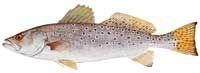
The Spotted Weakfish (Cynoscion nebulosus), scientifically classified within the Sciaenidae family and Perciformes order, is one of the most sought-after inshore gamefish along the Gulf Coast. Known locally as spotted seatrout in South Padre Island waters, these fish are easily identified by their distinctive dark spots scattered across their silver-gray bodies and their prominent canine teeth. In South Padre Island during May, these fish become particularly active as water temperatures reach their comfort zone.
Spotted Weakfish Overview
Spotted Weakfish are predatory fish highly valued by recreational anglers for their sporting qualities and excellent table fare. They're a cornerstone species for inshore fishing guides throughout the Gulf Coast, with South Padre Island being a premier destination for targeting quality specimens. Their popularity stems from their availability year-round and their willingness to strike artificial lures, making them accessible to anglers of all skill levels.
Spotted Weakfish Habitat and Distribution
These fish primarily inhabit coastal estuaries, bays, and seagrass flats along the Atlantic and Gulf coasts from Massachusetts to Mexico. Around South Padre Island, they're commonly found in shallow grass flats, channels between islands, near oyster bars, and around structures like docks and bridge pilings. They prefer moderate salinity levels and are often concentrated where freshwater meets saltwater, especially after rainfall events.
Spotted Weakfish Size and Weight
Spotted Weakfish typically range from 12 to 39 inches in length, with weights between 3 and 17 pounds. The average catch in South Padre Island waters tends to be in the 15-20 inch range (1.5-3 pounds), though trophy specimens exceeding 25 inches and 5 pounds are not uncommon. Texas state records approach the upper end of their size potential, making them a worthy trophy for dedicated anglers.
Spotted Weakfish Diet and Behavior
These opportunistic predators feed primarily on shrimp, mullet, pinfish, and other baitfish. They're most active during dawn and dusk, though they'll feed throughout the day when conditions are favorable. Spotted Weakfish often hunt in small schools, particularly when young, while larger specimens tend to be more solitary. They're known for their aggressive feeding behavior, often striking with explosive force when ambushing prey.
Spotted Weakfish Spawning Season
In South Padre Island waters, Spotted Weakfish typically spawn from April through October, with peak activity in May through August. They prefer water temperatures between 68°F and 77°F for spawning. During this period, they gather in deeper channels and passes connecting bays to the Gulf, often becoming more active feeders before and after spawning events. Male trout produce distinctive "drumming" sounds during spawning season by vibrating specialized muscles against their swim bladder.
Spotted Weakfish Fishing Techniques
For consistent success with Spotted Weakfish in South Padre Island, three approaches stand out. Drift fishing grass flats with soft plastic lures (particularly paddle tails in chartreuse, white, or glow) on 1/4 oz jigheads is highly effective. Topwater plugs like Spook Juniors or Skitter Walks worked slowly across shallow flats at dawn or dusk trigger explosive strikes. Live bait fishing with finger mullet or shrimp under popping corks near channel edges is nearly foolproof when fish are present. In May, anglers around South Padre Island find them concentrated near deeper grass edges adjacent to shallow flats, especially on moving tides.
Spotted Weakfish Is It Good to Eat?
Spotted Weakfish are considered excellent table fare with mild, white, flaky meat that's versatile for various cooking methods. They're best prepared fresh and shine when broiled, grilled, or blackened with minimal seasoning to highlight their delicate flavor. Nutritionally, they're high in protein and omega-3 fatty acids while remaining relatively low in mercury compared to many other marine species. Conservation-minded anglers often release larger specimens (over 20 inches) as these are typically breeding females that sustain the population.
Spotted Weakfish Frequently Asked Questions
Q: What is the best bait for Spotted Weakfish?
A: Live shrimp under a popping cork is the most consistently effective bait, though live finger mullet and piggy perch also work well. For artificial lures, soft plastic paddletails in white, chartreuse or glow colors on 1/4 oz jigheads and topwater plugs at dawn/dusk are top producers in South Padre Island waters.
Q: Where can I find Spotted Weakfish near South Padre Island?
A: Focus on grass flats adjacent to deeper channels, especially areas with scattered potholes or sand patches. The flats north of the causeway, the ICW channel edges, and grass beds near South Bay all hold good populations of spotted weakfish throughout the year.
Q: Is Spotted Weakfish good to eat?
A: Yes, they're considered excellent table fare with mild, white, flaky flesh. They're best eaten fresh and are versatile for various cooking methods including grilling, broiling, blackening, or baking. For optimal flavor, most chefs recommend cooking them with minimal seasoning.
Q: When is the best time to catch Spotted Weakfish?
A: Dawn and dusk provide peak feeding periods year-round. In South Padre Island, spring (April-June) and fall (September-November) typically offer the most consistent action. May is particularly productive as water temperatures reach ideal ranges and spawning activity increases feeding behavior.
Q: What size tackle should I use for Spotted Weakfish?
A: Medium-light to medium spinning tackle with 10-15 lb braided line and a 20-30 lb fluorocarbon leader provides the ideal balance of sensitivity for detecting subtle strikes while having enough backbone to handle larger fish. 7-foot rods offer versatility for various techniques.
Q: Are there size limits for keeping Spotted Weakfish in Texas?
A: Yes, Texas regulations require spotted weakfish (spotted seatrout) to be between 15-25 inches to keep, with a daily bag limit of 5 fish per angler. Always check current regulations before your trip as limits can change seasonally and by location.