%2Ffit-in%2F250x250%2Fguide_websites%2F3047%2Fimages%2F1753381719109stevelogo.jpg&w=1920&q=100)
Pike-Perch Fishing at South Padre Island with Captain Steven Hillary
Pike-Perch Fishing at South Padre Island - What to Expect
%2F%2Fusers%2F3e750e46-d58e-456c-9169-d46dfdead4c0%2Fimages%2Fpike-perch-fishing-south-padre-5342.png&w=1920&q=75)
Guided Fishing Trip by Captain Steven Hillary in April

Meet your Captain Steven Hillary
- Specializing in Family & Children Fishing Trips


Summary
Join Captain Steven Hillary on a guided fishing trip at South Padre Island this Thursday in April, targeting pike-perch from a fully equipped white boat. This immersive fishing experience combines local expertise with prime Texas coastal waters, delivering an unforgettable day on the water.
Guided Fishing Trip with Captain Steven Hillary - Rates & Booking
Captain Steven Hillary of Today We Fish Charter and Adventures operates out of South Padre Island on Thursday in April, offering guided fishing trips designed for anglers seeking authentic pike-perch fishing experiences. Operating from a professional white boat outfitted with premium fishing rods and equipment, Captain Steven brings years of local knowledge to every outing on these productive Texas waters.
The guided fishing trip includes access to all necessary equipment, giving you the chance to focus entirely on the experience rather than gear logistics. The boat accommodates small group outings, creating an intimate setting where personalized instruction and local insights become part of your adventure. Whether you're an experienced angler or expanding your fishing horizons, this trip provides the foundation for memorable moments on the water. To secure your spot and discuss trip details, reach out to Today We Fish Charter and Adventures for current rates and availability.
Highlights of Pike-Perch Fishing at South Padre Island
Pike-perch are among the most exciting species to pursue in South Padre Island's coastal ecosystem. These aggressive hunters respond well to targeted techniques, and the spring season brings prime feeding conditions. Fishing from a white boat positioned in strategic locations, you'll experience the thrill of working the waters where pike-perch congregate, feeling the pull of aggressive strikes and the satisfaction of successful battles.
The South Padre Island environment offers distinct visual beauty alongside productive fishing grounds. Clear shallow flats transition into deeper channels where pike-perch hunt, creating diverse fishing scenarios throughout your day. Captain Steven's expertise in reading these waters and positioning your boat optimally increases your chances of consistent encounters with this prized species.
Local Species Insights: Pike-Perch
Pike-perch, also known as zander in some regions, represent a unique freshwater species found in select Texas waters. These predatory fish possess distinctive features including elongated bodies, sharp teeth, and striking striped patterns that make them visually distinctive. They inhabit areas with structure and current, where they ambush prey with precision and speed.
These fish are most active during low-light periods and respond enthusiastically to both live bait and artificial lures that mimic natural prey. Pike-perch hunting behavior creates exciting fishing moments, as strikes often come with aggressive force and runs that test both angler skill and equipment. The South Padre Island ecosystem supports healthy pike-perch populations, giving you excellent opportunities to engage with this species in its natural habitat.
What makes pike-perch fishing distinctive is the blend of technical skill and pure excitement. Reading subtle signs on your sounder, adjusting casting angles based on structure, and responding to sudden strikes keeps you engaged throughout your time on the water. The combination of scientific precision and raw adrenaline defines the pike-perch fishing experience at South Padre Island.
Plan Your Pike-Perch Fishing Day
Your guided fishing trip with Captain Steven Hillary operates from South Padre Island with all fishing equipment provided onboard the white boat. Small group sizes ensure personalized attention and optimal boat positioning for pursuing pike-perch. The experience combines active fishing with strategic downtime, allowing you to absorb the peaceful rhythm of being on the water while remaining ready for dynamic action when pike-perch feed.
Wear comfortable, layered clothing suitable for Texas coastal conditions and bring sunscreen for extended water exposure. The boat setup includes rod holders, safety equipment, and all tackle necessary for successful pike-perch pursuit. Today We Fish Charter and Adventures prioritizes both your comfort and safety while maximizing your fishing success throughout the trip.
Fishing in Texas: Pike-Perch
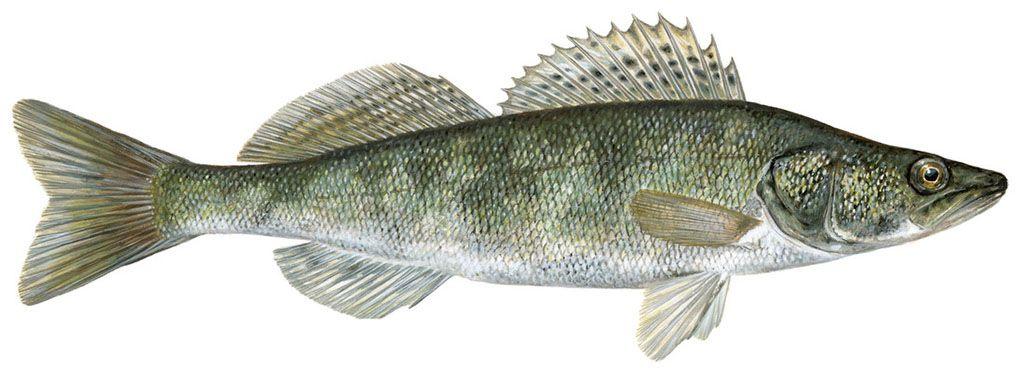
Pike-Perch Overview
The Pike-Perch (Sander lucioperca), belonging to the family Percidae within the order Perciformes, is one of Europe's most fascinating and misunderstood freshwater predators. Also known as Zander, this sleek, torpedo-shaped fish is the largest member of the perch family and has earned a reputation as both a prized catch for anglers and a delicious food staple across European communities. What makes the Pike-Perch truly remarkable is its adaptability to murky, brackish waters where few other game fish thrive, and its almost prehistoric appearance with bulging eyes, a pronounced snout, and those unmistakable jet-black vertical stripes running down its silver-green sides. Whether you're fishing the moody canals of Northern Europe or casting lines into a misty reservoir, the Pike-Perch represents an exciting challenge that combines technical skill with the thrill of tangling with a genuinely powerful predator.
Pike-Perch Habitat and Distribution
Unlike their close cousins the Walleye, Pike-Perch demonstrate remarkable flexibility in their habitat preferences. They thrive in both freshwater and brackish water environments, though they show a strong preference for large rivers and nutrient-rich lakes with murky, low-clarity water conditions. These fish flourish in over-nourished water bodies prone to algae blooms—the kind of murky, atmospheric waters that might make other anglers hesitant but make Pike-Perch positively giddy. Throughout Europe, they've become particularly established in canal systems, especially those frequented by boat traffic, where they feast opportunistically on leftover trout and salmon. During spawning season, populations have been observed migrating from coastal lakes and estuaries upriver to find suitable breeding grounds. The Pike-Perch's tolerance for turbidity and brackish conditions means you'll often find them thriving in industrial waterways and man-made canals where clearer-water species cannot compete. Their invasive status in the United Kingdom has sparked considerable concern among conservation authorities, as these aggressive predators outcompete native species in ecosystems where they've become established.
Pike-Perch Size and Weight
Adult Pike-Perch typically reach an impressive 20 inches (50 cm) on average, though they possess the genetic potential to grow considerably larger. The maximum recorded length for this species hovers around 39 inches (100 cm), with exceptional specimens reportedly reaching 47 inches (120 cm) and weighing up to 25.3 pounds (11.48 kg). In general angling scenarios, expect to land fish in the 1 to 11 pound range, with healthy river populations consistently producing specimens at the upper end of that scale. Interestingly, lake-dwelling Pike-Perch tend to run slightly smaller than their river-dwelling counterparts, a phenomenon attributed to overcrowding and resource competition. The variation in size between environments underscores how much habitat quality and population density influence growth rates—a lesson worth remembering when planning your Pike-Perch expedition to either rivers or lakes.
Pike-Perch Diet and Behavior
Make no mistake: the Pike-Perch is an uncompromising carnivore with a voracious appetite to match. These fish display a strong preference for small schooling fish, which makes evolutionary sense given their voracious hunting style—when you find a school of prey fish, you're looking at an all-you-can-eat buffet. In European waters, common roaches, gudgeon, and various bream species make up a significant portion of their diet. The powerful jaws that characterize this species are perfectly adapted for snapping up prey with devastating efficiency. Perhaps most remarkably, Pike-Perch are confirmed cannibals; when hunger strikes, they won't hesitate to consume smaller members of their own species. This aggressive predatory behavior makes them both exciting to pursue and challenging to manage from a conservation standpoint. Their preference for hunting under low-light conditions and in murky water suggests they rely heavily on lateral line detection and other sensory systems rather than vision alone, a behavioral adaptation that has made them supremely effective hunters in the murky canal and river systems they now dominate.
Pike-Perch Spawning or Seasonal Activity
Pike-Perch exhibit distinctive migratory behavior tied to their reproductive cycle. During spawning season, populations observed in coastal lakes and estuaries will actively migrate upriver seeking suitable spawning substrates. This seasonal movement pattern is crucial for understanding where to find fish throughout the year—spawning migrations often concentrate Pike-Perch in predictable locations at specific times, presenting both opportunity and challenge for anglers. The species can survive up to 17 years in the wild, giving individuals multiple opportunities to complete spawning cycles and potentially grow to impressive sizes. Understanding these seasonal patterns—when fish are actively feeding versus focused on reproduction—can dramatically improve your success rates. Winter fishing often produces excellent results as Pike-Perch remain active in cold water when many other species shut down, making them a superb choice for year-round anglers seeking action during the bleaker months.
Pike-Perch Techniques for Observation or Capture
Method One: Dead Bait and Patient Positioning
Pike-Perch demonstrate a marked preference for dead bait over lively offerings—in fact, excessively active live bait can actually repel them. The traditional approach involves positioning yourself in murky freshwater bodies, particularly canals, large rivers, and over-nourished lakes where visibility is limited. Common roaches, small bream, and mackerel make excellent bait choices, with mackerel offering the added advantage of withstanding multiple casts without deteriorating. Lower your bait near structure, boat traffic corridors, and deeper channels where Pike-Perch patrol. This method rewards patience and strategic positioning rather than constant movement.
Method Two: Small Lure and Active Retrieval
Compact lures—particularly those mimicking small schooling fish—can trigger aggressive strikes from Pike-Perch. Work these artificials through deeper sections of rivers and lakes using a retrieve pattern that mimics wounded prey. The low-visibility waters these fish prefer mean they rely on vibration and lateral line detection as much as sight, so subtle movements and consistent lure action often outperform flashy presentations. Early morning and evening sessions typically produce the most consistent action.
Method Three: Localized Canal and Waterway Strategy
In canal systems throughout Northern Europe, Pike-Perch congregate around boat traffic areas and structures where prey fish concentrate. Position yourself near lock systems, deep bends, and areas of current break where fish ambush passing prey. These artificial waterways often hold surprisingly dense Pike-Perch populations due to regular restocking of baitfish and consistent habitat conditions. Around canal systems in the Netherlands, Belgium, and France, early season fishing (spring through early summer) often produces explosive action as fish recover from winter and rebuild depleted energy reserves.
Pike-Perch Culinary or Utilization Notes
Despite their reputation as parasitic hosts and their sometimes unsavory appearance, Pike-Perch represent a culinary treasure across Europe. The flesh is notably light, firm, and contains remarkably few bones—a genuine luxury compared to many freshwater species. In European cuisine, particularly in Scandinavian and Continental European traditions, Pike-Perch commands premium prices at fish markets and restaurants. The mild, delicate flavor profile works beautifully with simple preparation methods: pan-frying with butter and lemon, poaching, or baking. While some anglers express concern about parasite loads, proper cooking eliminates any food-safety concerns. Nutritionally, Pike-Perch delivers excellent lean protein and beneficial omega-3 fatty acids. From a sustainability perspective, encouraging harvest of Pike-Perch—particularly in waters like the United Kingdom where they're invasive—represents an environmentally responsible choice that actually benefits native fish populations. Many conservation programs actively encourage anglers to retain and utilize Pike-Perch catches as part of invasive species management efforts.
Pike-Perch Frequently Asked Questions
Q: What is the best bait for catching Pike-Perch?
A: Dead or lightly-active live bait works best, with common roaches, small bream, and mackerel representing top choices. Mackerel is particularly effective because it withstands multiple casts without deteriorating. Avoid extremely active live bait, as excessive movement can actually deter Pike-Perch rather than attract them. Local regulations may restrict live bait use, so confirm rules before your fishing trip.
Q: Where can I find Pike-Perch in popular fishing regions?
A: Pike-Perch thrive in murky, freshwater and brackish systems throughout Europe, with particular concentrations in canal networks, large rivers, and over-nourished lakes. Canal systems in the Netherlands, Belgium, France, and Northern Germany represent prime Pike-Perch destinations. These fish prefer low-visibility water bodies where few other game fish successfully compete, making them predictable inhabitants of industrial waterways and man-made channels.
Q: Is Pike-Perch good to eat?
A: Absolutely. Pike-Perch flesh is light, firm, and contains remarkably few bones, making it a culinary delicacy throughout Europe. The mild flavor profile responds beautifully to simple preparation methods like pan-frying, poaching, or baking. Proper cooking eliminates any parasitic concerns. In many European communities, Pike-Perch commands premium prices at fish markets and represents a genuine treat rather than a utilitarian catch.
Q: When is the best time to catch Pike-Perch?
A: Pike-Perch remain active throughout the year, making them excellent year-round targets—particularly during winter when many other species shut down. Spring through early summer often produces explosive action as fish rebuild energy reserves after winter. Early morning and evening sessions generally outproduce midday fishing, and low-light conditions typically coincide with peak feeding activity.
Q: How do Pike-Perch differ from Walleye?
A: While visually similar, Pike-Perch and Walleye occupy distinctly different ecological niches. Walleye prefer clear, strictly freshwater environments, whereas Pike-Perch demonstrate remarkable tolerance for murky and brackish waters. This habitat preference difference makes Pike-Perch successful colonizers of industrial canals and turbid waterways where Walleye struggle. The Pike-Perch's ability to thrive in low-visibility water represents its greatest competitive advantage.
Q: Are Pike-Perch invasive, and should I keep them if I catch one?
A: In the United Kingdom, Pike-Perch are classified as non-native invasive species, and anglers are legally required to kill any Pike-Perch caught rather than release them. In their native European range and established populations throughout Europe, Pike-Perch represent legitimate game fish. Retaining Pike-Perch for consumption or management purposes actually benefits native fish populations, particularly in waters where they've become established invasive species. Check local regulations before your fishing trip.