%2Ffit-in%2F250x250%2Fguide_websites%2F3047%2Fimages%2F1753381719109stevelogo.jpg&w=1920&q=100)
Caught a Spotted Weakfish Fishing Charter in South
Spotted Weakfish and Redfish in South Padre Island
%2F%2Fusers%2F3e750e46-d58e-456c-9169-d46dfdead4c0%2Fimages%2Ffishing-haul-south-padre-island-3422.png&w=1920&q=75)
The Cynoscion Nebulosus belongs to the order Perciformes and family Sciaenidae. It typically measures between 12 and 39 inches in length, with a weight range from 3 to 17 lbs. Habitat: onshore, nearshore, coastal river. - Popular gamefish in Gulf of Mexico waters. - Commonly called spotted seatrout by local anglers. - Prized for both sport and excellent table fare.
Guided Fishing Trip by Captain Steven Hillary in August

Meet your Captain Steven Hillary
- Specializing in Family & Children Fishing Trips


Summary
Captain Steven Hillary of Today We Fish Charter and Adventures on Thursday May offers exceptional bay fishing experiences targeting spotted weakfish and redfish in South Padre Island's productive waters. Using proven techniques like jigging, light tackle, and drift fishing, anglers consistently land quality catches in the shallow bay systems. The charter specializes in inshore fishing where these prized gamefish thrive year-round, providing both novice and experienced anglers with memorable fishing adventures in Texas coastal waters.
Fishing Charter with Captain Steven Hillary – Rates & Booking
Captain Steven Hillary of Today We Fish Charter and Adventures on Thursday May provides expert-guided bay fishing trips targeting spotted weakfish and redfish in South Padre Island's prime fishing waters. These 3-hour morning charters focus on productive shallow water techniques including jigging, light tackle fishing, and drift fishing methods that consistently produce results. The experienced captain knows the local bay systems intimately and adjusts tactics based on current conditions, tides, and fish behavior patterns. All necessary fishing gear is provided, and the charter accommodates small groups for a personalized fishing experience. Book online to secure your preferred date and experience the thrill of landing these hard-fighting gamefish in some of Texas's most productive inshore waters.
Highlights of Bay Fishing Charter
This South Padre Island fishing experience combines multiple proven techniques to maximize your catch potential. The morning departure takes advantage of prime feeding times when spotted weakfish and redfish are most active in the bay systems. Captain Steven's local knowledge ensures you'll fish the most productive spots, from grass flats to deeper channels where these species congregate. The light tackle approach provides excellent sport while drift fishing allows coverage of large areas efficiently.
The charter focuses on sustainable fishing practices while delivering consistent action. Spotted weakfish, also known as spotted seatrout, are abundant in these waters and provide excellent table fare. Redfish offer powerful fights and are prized by anglers for their strength and beauty. The combination of species diversity and reliable action makes this an ideal choice for both experienced anglers and those new to bay fishing.
Local Species Insights: Spotted Weakfish
Spotted weakfish thrive in South Padre Island's bay systems, preferring the shallow grass flats and sandy bottoms where they ambush prey. These fish are most active during moving tides and low-light conditions, making early morning trips particularly productive. They respond well to both live bait and artificial lures, with soft plastics and topwater plugs being especially effective. The species feeds heavily on shrimp, small crabs, and baitfish, making them relatively predictable targets for experienced guides who understand their feeding patterns and seasonal movements.
Plan Your Fishing Charter Day
Your bay fishing adventure begins with an early morning departure from South Padre Island, taking advantage of cooler temperatures and active fish. The charter provides all necessary fishing equipment including rods, reels, tackle, and bait, so you only need to bring sun protection, drinks, and a fishing license. The boat is equipped for comfort and safety with all required safety equipment and fish cleaning facilities. Groups of up to 4 anglers can be accommodated, making this perfect for families or small groups of friends seeking a personalized fishing experience in Texas coastal waters.
Fishing in Texas: Spotted Weakfish and Redfish
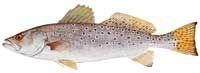
The Spotted Weakfish (Cynoscion nebulosus), commonly known as spotted seatrout, belongs to the order Perciformes and family Sciaenidae. This popular gamefish features distinctive dark spots along its silver sides and is highly prized by anglers throughout the Gulf of Mexico. In South Padre Island waters this May, these fish are particularly active in the shallow bay systems where they feed aggressively on shrimp and small baitfish.
Spotted Weakfish Overview
Spotted weakfish are among the most sought-after inshore gamefish along the Texas coast. They're known for their willingness to bite artificial lures and their excellent fighting ability on light tackle. The species gets its name from the tender mouth tissue that can tear easily when hooked, requiring careful handling during the fight.
Spotted Weakfish Habitat and Distribution
These fish prefer shallow coastal waters, grass flats, and oyster reefs where they can ambush prey. Around South Padre Island, they're commonly found in 2-8 feet of water over sandy and grassy bottoms. They move with the tides and are often found near structure like docks, jetties, and channel edges.
Spotted Weakfish Size and Weight
Spotted weakfish typically range from 12 to 39 inches in length and weigh between 3 to 17 pounds. Trophy fish over 8 pounds are considered excellent catches, while fish in the 3-6 pound range provide consistent action for most anglers.
Spotted Weakfish Diet and Behavior
These predators feed primarily on shrimp, small crabs, and various baitfish including mullet, anchovies, and menhaden. They're most active during moving tides and low-light conditions, making dawn and dusk prime feeding times. They often feed in schools and can be located by watching for diving birds or surface activity.
Spotted Weakfish Spawning Season
Spawning occurs in nearshore waters from March through November, with peak activity during warmer months. During spawning season, males produce distinctive drumming sounds to attract females, which can sometimes be heard from the surface.
Spotted Weakfish Fishing Techniques
Effective techniques include drift fishing with live shrimp, casting soft plastic lures over grass flats, and using topwater plugs during low-light conditions. Light spinning tackle with 10-15 pound test line provides the best sport. In May around South Padre Island, anglers find success using pink and chartreuse soft plastics worked slowly over shallow grass beds.
Spotted Weakfish Is It Good to Eat?
Spotted weakfish are excellent table fare with mild, flaky white meat that's high in protein and omega-3 fatty acids. They're best prepared fresh and can be grilled, blackened, or fried. The meat has a delicate flavor that pairs well with citrus and light seasonings.
Spotted Weakfish Frequently Asked Questions
Q: What is the best bait for spotted weakfish?
A: Live shrimp is the top choice, but soft plastic lures in pink, chartreuse, and white also work exceptionally well, especially when worked slowly over grass flats.
Q: Where can I find spotted weakfish near South Padre Island?
A: Look for them over shallow grass flats, around oyster reefs, and near channel edges in 2-8 feet of water, particularly during moving tides.
Q: Is spotted weakfish good to eat?
A: Yes, they're considered excellent table fare with mild, flaky white meat that's perfect for grilling, blackening, or frying with light seasonings.
Q: When is the best time to catch spotted weakfish?
A: Early morning and late evening during moving tides provide the best action, with spring and fall months offering the most consistent fishing.
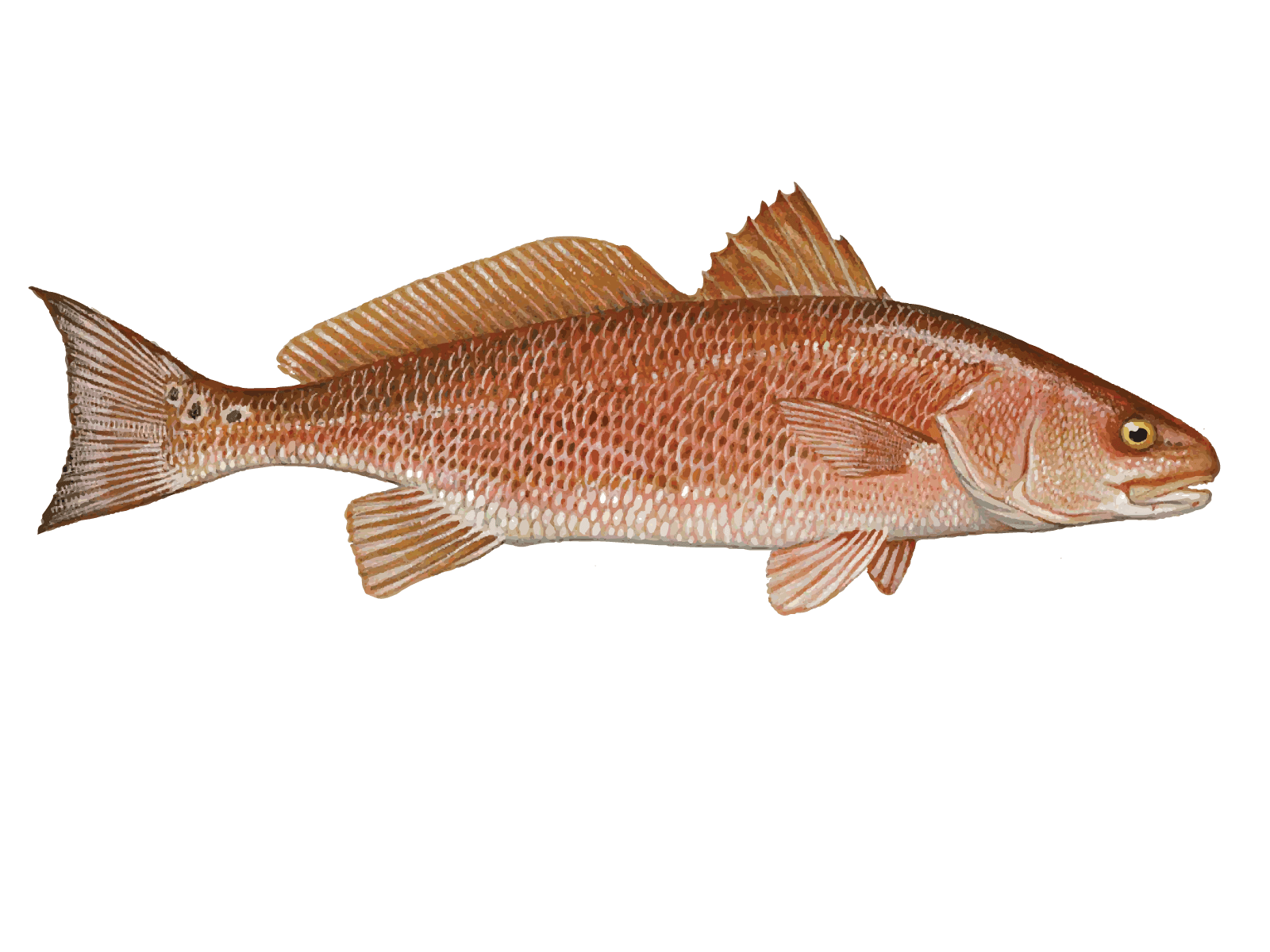
The Redfish (Sciaenops ocellatus), also known as Red Drum, belongs to the order Perciformes and family Sciaenidae. This iconic gamefish is easily identified by its copper-bronze coloration and distinctive black eyespots near the tail. Redfish are among the most prized inshore species along the Gulf Coast, and South Padre Island waters in May offer excellent opportunities to target these powerful fighters.
Redfish Overview
Redfish are legendary among inshore anglers for their strength, stamina, and willingness to fight. They're known for their distinctive copper-red coloration that fades to white on the belly, along with one or more black eyespots near the tail. These fish are highly adaptable and can thrive in various coastal environments.
Redfish Habitat and Distribution
These fish prefer shallow coastal waters including grass flats, oyster reefs, and backcountry areas. Around South Padre Island, they're commonly found in 1-4 feet of water over sandy and muddy bottoms. They frequent areas with structure like docks, jetties, and marsh edges where they can ambush prey.
Redfish Size and Weight
Redfish typically range from 30 to 61 inches in length and weigh between 10 to 45 pounds. Slot-size fish (20-28 inches) are most commonly targeted by recreational anglers, while larger "bull" redfish over 30 inches provide trophy-class fishing experiences.
Redfish Diet and Behavior
These opportunistic predators feed on crabs, shrimp, mullet, and various baitfish. They're known for their aggressive feeding behavior and will often push water or create visible wakes while hunting in shallow water. They're most active during moving tides and can be sight-fished in clear, shallow water.
Redfish Spawning Season
Spawning occurs in nearshore waters from August through November, with mature fish moving to deeper water to reproduce. During spawning season, large schools of adult redfish can be found in offshore waters before returning to inshore areas.
Redfish Fishing Techniques
Effective methods include sight fishing with spoons and soft plastics, bottom fishing with cut bait, and using live bait like shrimp or mullet. Medium to heavy spinning tackle with 15-20 pound test line handles their powerful runs. In May around South Padre Island, anglers find success using gold spoons and soft plastics worked over shallow flats during incoming tides.
Redfish Is It Good to Eat?
Slot-size redfish are excellent table fare with firm, mild-flavored meat that's high in protein and omega-3 fatty acids. The meat is versatile and can be grilled, blackened, or used in fish tacos. Larger "bull" redfish are typically released due to their reproductive value.
Redfish Frequently Asked Questions
Q: What is the best bait for redfish?
A: Live shrimp, cut mullet, and artificial lures like gold spoons and soft plastics in red, white, and chartreuse are most effective for targeting redfish.
Q: Where can I find redfish near South Padre Island?
A: Look for them over shallow grass flats, around oyster reefs, and in backcountry areas in 1-4 feet of water, especially during moving tides.
Q: Is redfish good to eat?
A: Slot-size redfish (20-28 inches) are excellent eating with firm, mild meat perfect for grilling or blackening, while larger fish are typically released.
Q: When is the best time to catch redfish?
A: Early morning and late afternoon during moving tides provide the best action, with spring and fall months offering the most consistent fishing opportunities.