%2Ffit-in%2F250x250%2Fguide_websites%2F3047%2Fimages%2F1753381719109stevelogo.jpg&w=1920&q=100)
Black Drum and Freshwater Drum Catch at South Padre Island
Black Drum Fishing in South Padre Island - What to Expect
%2F%2Fusers%2F3e750e46-d58e-456c-9169-d46dfdead4c0%2Fimages%2Fdrum-catch-south-padre-island-4328.png&w=1920&q=75)
Guided Fishing Trip by Captain Steven Hillary in August

Meet your Captain Steven Hillary
- Specializing in Family & Children Fishing Trips


Summary
On Monday, August 11th, this guided fishing trip to South Padre Island delivered an impressive haul of Black Drum and Freshwater Drum. Working with Captain Steven Hillary of Today We Fish Charter and Adventures, anglers landed a memorable catch that showcased what Texas coastal fishing can offer when conditions align and technique matters.
Guided Fishing with Captain Steven Hillary - Rates & Booking
Captain Steven Hillary of Today We Fish Charter and Adventures guided this expedition on Monday, August 11th. The charter focused on targeting Black Drum and Freshwater Drum in the South Padre Island waters, delivering results that reflected both local expertise and favorable conditions. Anglers interested in booking a similar experience can contact the charter directly to discuss dates, group size, and specific species preferences.
Steven Hillary brings years of hands-on knowledge of South Padre Island's fishing patterns. The charter includes guided fishing expertise and access to productive waters where these species congregate. Booking a guided trip ensures you're working with someone who understands seasonal movements and effective techniques for both Black Drum and Freshwater Drum.
Highlights of This South Padre Island Fishing Experience
The catch itself tells the story. Black Drum dominated the display, showing the healthy population in these waters and the effectiveness of targeting them near structure and deeper channels. The addition of Freshwater Drum demonstrates the ecological diversity of South Padre's fishing grounds. Multiple anglers connecting with quality fish made for a rewarding day on the water.
What stands out about fishing this region is the reliability of the fishing grounds and the variety available within a single outing. South Padre Island's location along the Texas coast creates unique conditions where both species thrive, making it a compelling destination for anglers looking to diversify their catch or pursue specific targets.
Local Species Insights: Black Drum and Freshwater Drum
Black Drum are substantial fish known for their power and distinctive head shape. They inhabit coastal bays, channels, and nearshore waters around South Padre Island, often found near structure, oyster beds, and sandy bottoms. These fish are bottom feeders, using their specialized teeth to crush shells and hard-shelled prey. They grow to impressive sizes in Texas waters, making them a worthwhile target for anglers seeking a challenging fight.
The presence of Freshwater Drum on this trip suggests fishing likely extended into brackish or freshwater areas, or caught specimens that had moved into the coastal zone. Freshwater Drum adapt well to varying salinity levels and are commonly found in bays and river systems throughout Texas. They share similar feeding habits with their Black Drum cousins, making them responsive to similar presentations and baits.
Both species offer what many anglers appreciate: a genuine challenge, hard fighting ability, and a sense of accomplishment when hooked. They don't jump dramatically like redfish or tarpon, but they pull hard from start to finish. Their presence in significant numbers during this outing reflects healthy populations and good management of the fishery around South Padre Island.
The setup on the dock showcases the tangible results of the day. Each fish displayed represents a connection made, a technique that worked, and time spent in productive water. For anglers considering a trip to South Padre Island, seeing results like this validates the destination as legitimate fishing territory rather than a resort novelty.
Plan Your South Padre Island Fishing Day
A guided trip with Captain Steven Hillary at Today We Fish Charter and Adventures puts you on water where Black Drum and other species are reliably found. The guide handles navigation, knows where fish are positioning, and can adjust tactics based on what's working. You bring enthusiasm and a willingness to follow directions - the rest follows naturally.
The experience accommodates multiple anglers, making it accessible for both experienced fishers and those newer to saltwater work. The charter provides guidance on technique, species behavior, and how to handle the fish once hooked. Days like the one captured here don't happen by accident - they result from a guide who reads conditions, positions the boat correctly, and knows how to present baits or lures effectively.
Fishing in Texas: Freshwater Drum and Black Drum
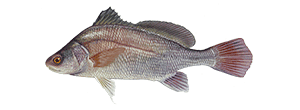
Freshwater Drum Overview
The Freshwater Drum (Aplodinotus grunniens) is a fascinating and prolific gamefish belonging to the family Sciaenidae and order Perciformes. This carnivorous species is native to freshwaters across North America and has earned numerous colorful nicknames—including croaker, thunder pumper, grunter, grinder, and bubbler—all derived from the distinctive grunting and rumbling sounds the males produce during spawning season. With its striking silver scales and bluish-grey overcast, combined with a prominently arched back and white belly, the Freshwater Drum is one of the most abundant and recognizable freshwater fish in the country. What makes this species truly special is not just its appearance, but its quirky behavior and the cultural significance it holds; Native Americans have traditionally worn the fish's large, ivory-like ear bone—sometimes called a "Lucky Stone"—as jewelry. Whether you're an angler seeking an easy and rewarding catch or simply curious about North American freshwater ecosystems, the Freshwater Drum offers an engaging and memorable experience.
Freshwater Drum Habitat and Distribution
The Freshwater Drum enjoys a widespread distribution across virtually every major lake and river system throughout the United States, making it exceptionally easy to encounter this species regardless of your location. From the Mississippi River basin to the Great Lakes and countless smaller waterways, these fish have established thriving populations in both cold and warm freshwater environments. They are known bottom feeders, spending the majority of their time swimming along the substrate searching for food. They show a distinct preference for clear, shallow waters with modest aquatic vegetation, where they can easily locate their preferred prey. While drum populations peak during the summer months when water temperatures are warm and feeding activity is at its highest, you can successfully catch these fish year-round, even during winter months when most anglers assume fishing activity should be minimal. The species' remarkable adaptability and reproductive success—driven by their random spawning behavior where eggs are swept miles away by water currents—has ensured their presence in lakes, rivers, and connected waterways across the breadth of the continent.
Freshwater Drum Size and Weight
Mature Freshwater Drums typically average between twelve to fourteen inches in length and weigh somewhere in the range of one to eight pounds under normal conditions. However, these fish possess genuine potential for significantly larger specimens. The average size range for quality catches falls between twelve and thirty-seven inches in length, with weights spanning from five to fifty-four pounds. The largest Freshwater Drum ever caught on record was an impressive specimen measuring more than two feet in length and weighing approximately fifty-four pounds—a trophy-class fish taken by angler Benny Hull way back in 1972 from Nijack Lake, Tennessee. An interesting biological note is that females of the species consistently grow larger than males, meaning that record-breaking catches are typically female fish. Despite their impressive potential size, Freshwater Drums are generally considered fairly quick swimmers, though this attribute matters little since they rank among the easiest freshwater fish to catch—some anglers have documented more than fifty successful catches in a single fishing session.
Freshwater Drum Diet and Behavior
As strict carnivores, Freshwater Drums have developed a specialized diet and foraging strategy perfectly suited to their bottom-dwelling lifestyle. Their primary food sources include snails and small clams, which they crush using their remarkably large, molar-like teeth—a feature that clearly distinguishes them from many other freshwater gamefish. Beyond mollusks, they eagerly consume crayfish, smaller fish species, and various aquatic insects, making them opportunistic feeders that will accept a wide variety of prey items. Their bottom-feeding behavior means they spend virtually their entire lives searching along the lake and river floor for food, creating predictable patterns that anglers can exploit. In terms of predation, Freshwater Drums face threats from larger fish species such as smallmouth bass and walleye, which is why some savvy anglers actually use drum as live bait for pursuing these larger predators. The species displays a relatively docile temperament and isn't particularly known for putting up an aggressive fight once hooked, making it an ideal target for novice anglers or families looking for a rewarding and low-stress fishing experience. Their behavior is largely driven by feeding opportunities and seasonal reproductive cycles, with activity levels typically escalating during warmer months when aquatic prey is most abundant.
Freshwater Drum Spawning and Seasonal Activity
The spawning season for Freshwater Drums occurs during the spring months, typically in April or May when water temperatures begin to warm and trigger reproductive instincts. During this period, both males and females release their eggs and sperm directly into open water where fertilization occurs randomly in the water column. This broadcast spawning strategy, while seemingly chaotic, has proven extraordinarily successful for the species; the fertilized eggs are subsequently transported by water currents over considerable distances, sometimes traveling miles and miles before eventually settling and hatching in new lakes, rivers, and connected waterways. This dispersal mechanism explains the species' remarkably wide and continuous distribution across North America—essentially, the fish have engineered their own continental expansion strategy. One of the most distinctive aspects of this spawning behavior is the grunting or rumbling sound produced by mature males, which they generate by contracting specialized muscles along the walls of their air bladder. While the exact biological purpose of this vocalization remains somewhat mysterious, it is clearly linked to the reproductive process and has earned the species its numerous colloquial names. Summer represents the season of peak population activity, when both feeding and reproduction are at their height, making it the optimal time for angler engagement. However, because these fish are distributed so widely and are so abundant, productive fishing can occur during any season, including winter months when many other freshwater species become less active.
Freshwater Drum Techniques for Observation and Capture
Method 1: Bottom Fishing with Natural Baits
Since Freshwater Drums are dedicated bottom feeders, the most straightforward and effective technique is simple bottom fishing using natural bait presentations. A basic six and a half to seven and a half foot medium or medium-heavy power spinning or casting rod paired with a medium-capacity spinning or baitcasting reel provides all the equipment you need. Spool your reel with ten to twenty pound test monofilament line—these fish don't require heavy tackle, and lighter line actually improves your catch rates by making your presentations more natural and your bait movements more realistic. The most effective natural baits include crayfish tails, night crawlers, and cut bait prepared from other fish species. Simply cast your bait toward the bottom in areas where you've observed drum activity or where you suspect them to congregate, then wait patiently. The passive nature of this approach makes it accessible to anglers of all skill levels.
Method 2: Night Fishing and Low-Light Periods
Freshwater Drums exhibit increased feeding activity during dawn, dusk, and nighttime hours when light levels drop and their competitors are less active. Position yourself along clear shallow waters or near areas with modest aquatic vegetation—the drum's preferred habitat—during these low-light windows. Night fishing can be exceptionally productive, particularly during the warmer months when air temperatures remain comfortable. Many successful anglers specifically target these time periods, knowing that drum feeding intensity reaches its peak when visibility is reduced. Bring appropriate lighting for safety, and be patient; these fishing sessions often yield multiple catches throughout the night.
Method 3: Location-Specific Targeting and Local Knowledge
Around major river systems and lake networks throughout the country, local fishing guides and bait shops can provide invaluable information about current hot spots where drum populations are densest. In regions like the Mississippi River basin or near the Great Lakes, certain specific locations consistently produce excellent results. Focus on finding transitions between different water depths, areas with rocky substrate where mollusks congregate, and deeper channels where drum retreat during midday heat. Freshwater Drums are predictable in their behavior once you understand that they're simply searching for food sources—finding where the snails and crayfish are most abundant effectively tells you where the drum will be.
Freshwater Drum Culinary and Utilization Notes
The Freshwater Drum presents average food quality for consumption and is not typically regarded as a premier table fish, though some regional preparations and recipes have enthusiasts. The flesh is described as having a mild flavor profile with a somewhat mushy or soft texture that doesn't appeal to all palates. Many anglers practice catch-and-release with drum, particularly when pursuing other species, though in some regions drum are prepared and eaten with moderate satisfaction. The fish's more significant cultural and practical value lies in its role as bait for larger predatory fish species—its presence in a waterway indicates a healthy, productive ecosystem supporting abundant forage. Additionally, the traditional use of the fish's large otolith (ear bone) as the aforementioned "Lucky Stone" by Native Americans represents an important utilization beyond conventional angling. From a sustainability perspective, Freshwater Drums' remarkable abundance and prolific reproduction make them an excellent candidate for harvest fishing without conservation concerns; their explosive population growth and wide distribution mean that even significant angling pressure has minimal impact on overall population health.
Freshwater Drum Frequently Asked Questions
Q: What is the best bait for catching Freshwater Drum?
A: Natural baits consistently outperform artificial offerings for this species. Crayfish tails, night crawlers, and cut bait from other fish are highly effective. The key is presenting your bait on or very near the bottom where drum spend most of their time foraging. Fresh, lively baits that create natural movement patterns attract more strikes than static presentations.
Q: Why do male Freshwater Drums make grunting sounds?
A: Male drum produce these distinctive grunting and rumbling sounds by contracting muscles along their air bladder walls, and this behavior is directly linked to the spawning process. The exact biological purpose—whether communication, mate attraction, or territory assertion—remains not completely understood by fisheries scientists, but the phenomenon is so pronounced that it has generated multiple regional common names for the species.
Q: Are Freshwater Drums good to eat?
A: Food quality is considered average by most standards. The flesh has a mild flavor but soft, mushy texture that doesn't appeal universally. Many anglers prefer to use drum as bait for larger predatory fish rather than consuming them directly. However, in certain regional preparations and when properly prepared, some anglers find them acceptable as food. More valuable is their role in indicating ecosystem health and serving as forage for larger game fish.
Q: When is the best time to catch Freshwater Drum?
A: While drum are catchable year-round, your success rates will be highest during summer months when population activity and feeding intensity peak due to warm water temperatures. Additionally, dawn, dusk, and nighttime hours consistently produce better results than midday periods. Spring spawning season in April and May also produces good activity levels when males are vocalizing and both sexes are concentrated in spawning areas.
Q: How difficult is it to catch a Freshwater Drum?
A: Freshwater Drums rank among the easiest freshwater fish to catch, making them excellent targets for beginning anglers or family fishing outings. Their bottom-feeding behavior is predictable, they readily accept natural baits, and they don't typically put up aggressive resistance once hooked. Some experienced anglers have documented more than fifty successful catches in a single fishing session, underscoring their accessibility and abundance.
Q: Where can I find Freshwater Drum fishing opportunities?
A: Freshwater Drums are distributed across virtually every major lake and river system throughout North America, making them accessible from almost any location. The Mississippi River basin, Great Lakes region, and countless connecting waterways all support healthy populations. Local bait and tackle shops can provide current information about the most productive specific locations in your area. Clear, shallow waters with modest aquatic vegetation represent their preferred habitat, so focus your search in these areas.
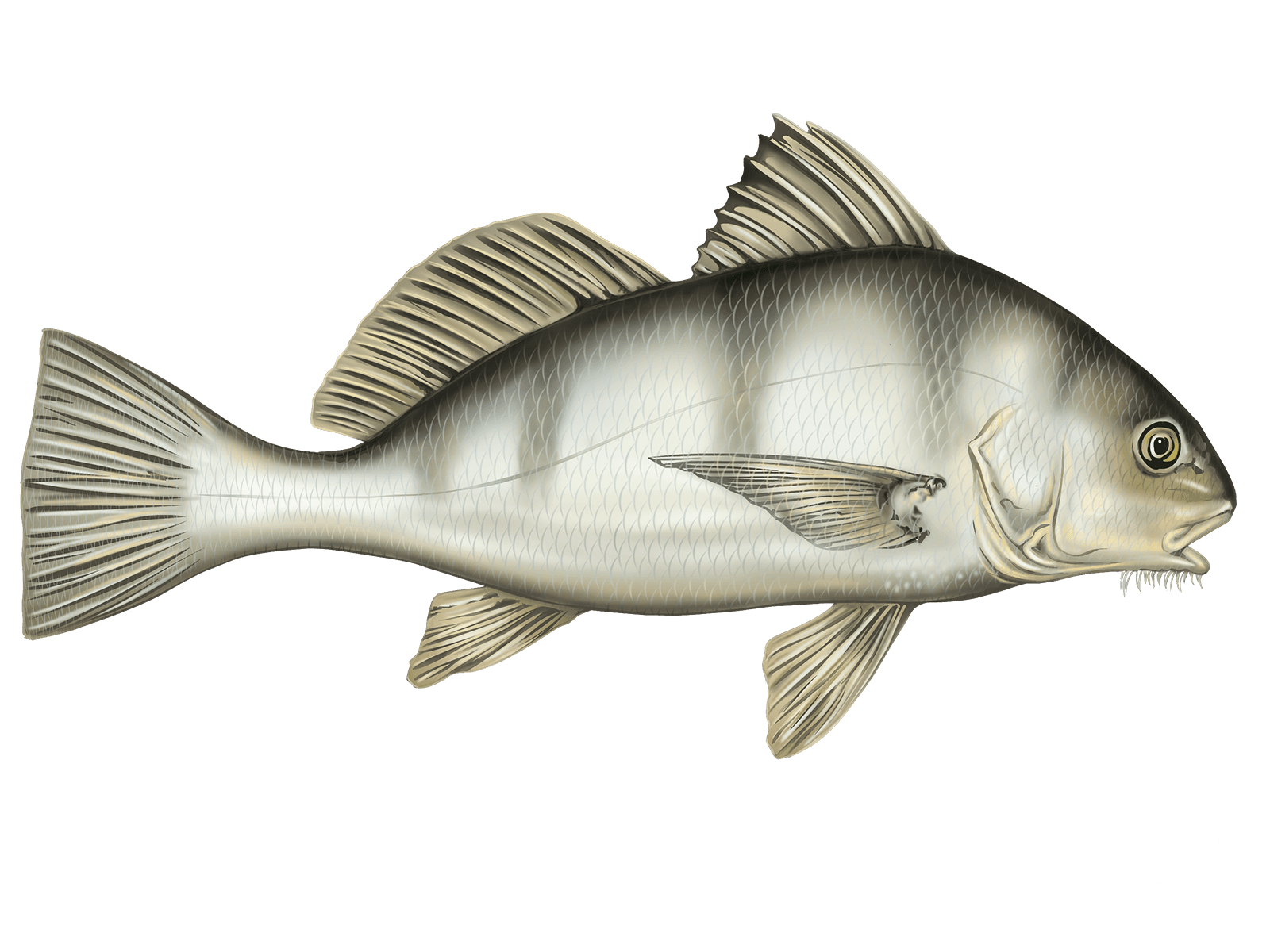
The Black Drum (Pogonias cromis) stands as the giant of the Sciaenidae family, earning its reputation through both impressive size and distinctive acoustic abilities. These remarkable fish get their name from the drumming or croaking sounds they produce, which can reach frequencies of 100 to 500 Hz during spawning season. With their powerful jaws designed for crushing shellfish and oysters, these dark-colored bruisers represent one of the most sought-after inshore game fish along the Atlantic and Gulf coasts, offering anglers both challenging fights and rewarding table fare when properly sized.
Black Drum Overview
What makes these fish truly special is their incredible adaptability and longevity. They're bottom-dwellers that can live up to 50 years, growing rapidly in their first two years and reaching sexual maturity quickly. Their robust build and crushing power make them formidable opponents for anglers, while their preference for brackish waters and estuaries puts them within reach of shore-based fishermen. The drumming sounds they make aren't just for show - they're sophisticated mating calls that help these fish locate each other during spawning aggregations, creating some of the most exciting fishing opportunities of the year.
Black Drum Habitat and Distribution
These adaptable fish have claimed territory from Nova Scotia all the way down to the Gulf of Mexico, thriving in a variety of environments. Adults prefer the saltier waters near ocean inlets and around oyster beds, where their favorite foods are abundant. Juveniles, on the other hand, seek out the less saline areas of estuaries with sandy bottoms, providing natural nursery areas. What's remarkable about these fish is their tolerance for different conditions - you might find them in extremely shallow water one day and at depths of 100 feet the next. They're particularly drawn to muddy flats, pier pilings, and creek mouths where tidal action concentrates their prey.
Black Drum Size and Weight
Size-wise, these fish offer something for everyone, typically ranging from 5 to 30 pounds, though true giants can exceed 90 pounds. The smaller specimens in the 15-pound range are considered prime table fare, while the larger fish are better suited for catch-and-release due to their tougher meat texture and stronger flavor. It's not uncommon to encounter fish in the 20 to 40-pound range during peak season, and these middle-weight bruisers provide excellent sport while still offering decent eating quality for those who know how to prepare them properly.
Black Drum Diet and Behavior
As dedicated bottom-feeders, these fish have developed powerful crushing jaws perfectly suited for their shellfish-heavy diet. Crabs, mussels, clams, and oysters make up the bulk of their meals, though they'll also take marine worms and small fish when the opportunity arises. Their feeding behavior is methodical and deliberate - they use their sensitive barbels to locate prey buried in sand and mud, then employ their impressive jaw strength to crush through shells. During feeding frenzies, particularly around oyster beds, you can sometimes hear the actual crunching sounds they make while feeding, which often gives away their location to observant anglers.
Black Drum Spawning and Seasonal Activity
Spawning season brings out the most exciting behavior in these fish, as they gather in large schools and become much more predictable in their movements. In southern regions like Texas, this typically occurs from February through March, while northern areas see peak activity from April to June. During this time, females can lay eggs every three days, and the males produce their characteristic drumming sounds almost continuously. These spawning aggregations create prime fishing opportunities, as the normally scattered fish concentrate in specific areas and become more aggressive in their feeding. The sound of dozens of drums calling simultaneously creates an underwater symphony that experienced anglers learn to recognize and locate.
Black Drum Techniques for Observation and Capture
Success with these fish comes down to three key factors: location, bait selection, and patience. Live or fresh bait works best - soft-shell crabs, peeler crabs, and fresh clam are top choices, though many anglers swear by blue crab because it doesn't attract as many bait-stealing catfish. Fish your baits right on the bottom using enough weight to hold position in current, and be prepared for a slow, deliberate bite that can easily be mistaken for a snag. For artificial presentations, slow-moving bucktail jigs work well, especially when tipped with natural bait. Fly fishing enthusiasts should opt for 9-weight rods and bottom-bouncing patterns like Clouser Minnows or crab imitations. Around popular fishing areas, look for shallow flats adjacent to deeper water, especially during moving tides when these fish become more active.
Black Drum Culinary and Utilization Notes
When it comes to table fare, size matters significantly with these fish. Specimens under 15 pounds offer mild, flaky white meat that's excellent when prepared fresh, while larger fish develop a coarser texture and stronger flavor that some compare to chicken. The key to good eating is proper handling and quick processing - these fish benefit from bleeding immediately after capture and keeping on ice. Smaller drums work wonderfully in fish tacos, blackened preparations, or simple pan-frying, while larger fish are better suited for stews or heavily seasoned dishes that can mask their stronger flavor. Many experienced anglers practice slot-limit fishing, keeping only mid-sized fish for the table while releasing both the smaller juveniles and the large breeding stock.
Black Drum Frequently Asked Questions
Q: What is the best bait for Black Drum fishing?
A: Live or fresh crab consistently outperforms other baits, particularly soft-shell crabs, peelers, or blue crab halves. Fresh clam and cut mullet also work well, but crab tends to attract fewer bait-stealing species and stays on the hook better in current.
Q: Where can I find Black Drum in coastal areas?
A: Look for oyster beds, shallow muddy flats, pier pilings, and creek mouths in brackish water areas. They prefer areas where fresh and salt water mix, especially spots with good tidal flow that concentrates their food sources.
Q: Are Black Drum good to eat?
A: Fish under 15 pounds are excellent table fare with mild, flaky white meat. Larger specimens become progressively tougher and stronger-flavored, making the smaller to medium-sized fish the best choice for eating.
Q: When is the best time to catch Black Drum?
A: Spring spawning season offers the most consistent action when fish school up in predictable areas. Early morning and late afternoon during moving tides typically produce the best results, though they can be caught year-round in most areas.
Q: What tackle should I use for Black Drum fishing?
A: Medium to heavy spinning or conventional tackle works best, with 20-30 pound test line and strong circle hooks. Use enough sinker weight to keep your bait on the bottom, and be prepared for long, powerful runs when you hook a large fish.
Q: How can I tell if I'm in good Black Drum water?
A: Look for areas with oyster beds, muddy bottoms, and good tidal flow in brackish water. During spawning season, you might actually hear the drumming sounds they make, which is a dead giveaway that fish are present and active.